While waiting for Tram 10, priority to the environment
An approach aimed first and foremost at avoiding impacts
For each infrastructure project carried out in France, the law requires project owners to commit to reducing the impact of the project on the environment. As part of Tram 10, Île-de-France Mobilités and the Hauts-de-Seine Departmental Council have committed to going beyond their legal obligations to design a project of very high environmental quality.
First of all, it is a question of avoiding impacts whenever possible. This is prepared from the first phases of the studies, by ensuring that the tramway reuses the majority of existing tracks and has only a marginal impact on natural areas and the habitats of protected species.
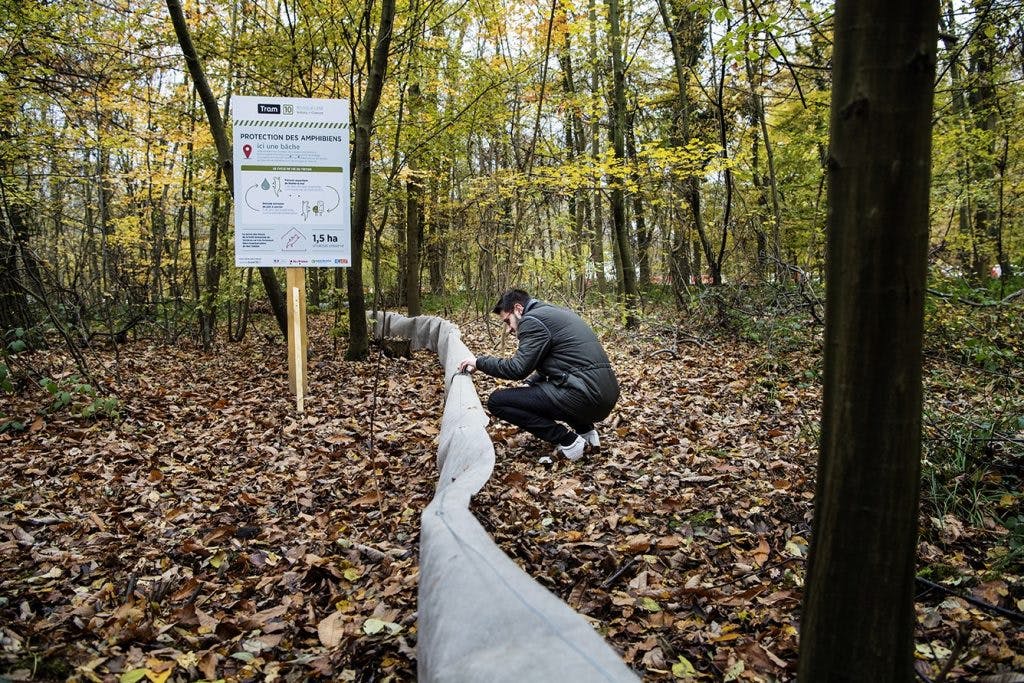
When impacts are unfortunately unavoidable, we must try to limit them. To do this, Île-de-France Mobilités is supported by an ecologist who ensures the environmental monitoring of the work. As soon as an impact is identified, measures are taken to reduce its scope: by cutting down trees outside of nesting periods, by installing tarpaulins to prevent amphibians from migrating to areas under construction or by installing shelters for certain vulnerable species such as hedgehogs.
Finally, environmental compensation is provided for as part of the project. As the construction of the line requires the clearing of 3.5 hectares of wooded plots, Île-de-France Mobilités has committed to replanting 12 hectares of forest elsewhere in the Region. The project also contributes to the strategic wood and forest fund.
A project that contributes to regenerating the forest and protecting local wildlife
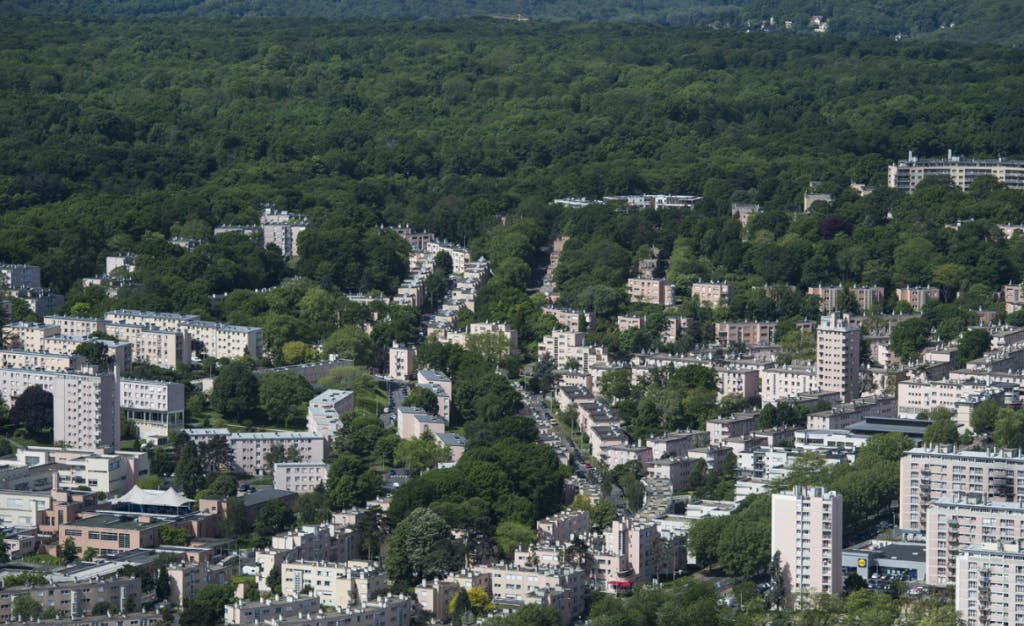
As part of the environmental compensation process for the Tram 10 project, Île-de-France Mobilités has committed to restoring several currently degraded plots in the Verrières forest. Four plots located near the route, in the Bois de la Béguinière and the Bois du Carreau, are concerned. The restoration project was carried out in partnership with the National Council for the Protection of Nature.
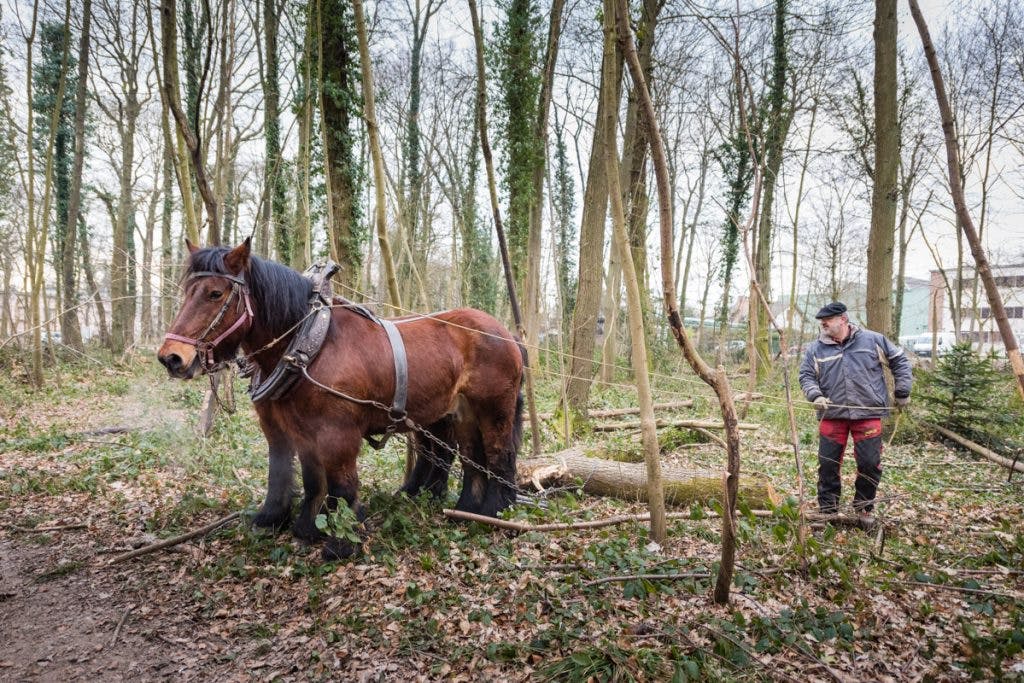
By restoring forest areas that are currently in poor condition, this work will create better habitat and reproduction conditions for local wildlife by diversifying the current wooded environments. On the programme: demarcation of islands where trees can grow without human intervention, development of clearings and edges, diversification of the species present... All this work is carried out with techniques that respect the forest soils, and even with animal traction when possible.

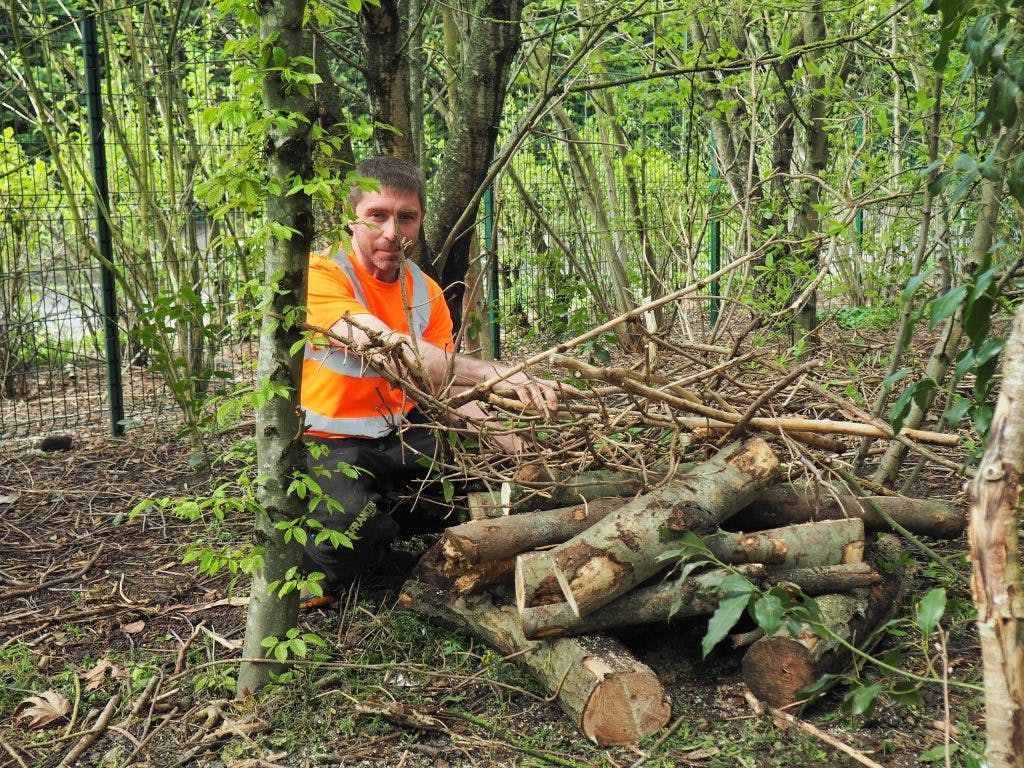
The Tram 10 project also aims to protect the protected species living near the works.Among the species to be monitored, several European hedgehogs nest in Clamart near the future "Jardin Parisien" station. Five shelters have been set up in the Park's cemetery and in the Sensitive Natural Area of the Promenade des Quatre Forêts. They are built of wood: first three logs on the ground in a triangle, keeping a 20 cm entrance, then the roof, covered with branches. Hedgehogs can thus find refuge in protected areasand move around by avoiding roads, the main cause of mortality of the animal in urban areas.

Finally, as the tramway works can be very disruptive for local species, specific actions are being carried out to prevent animals from approaching the site. For example, a protective tarpaulin was installed in the Verrières forest upstream of the work to ensure that amphibians do not migrate to areas that will be affected by the work on the maintenance and storage site.

The project at a glance
Tram 10 will connect La Croix de Berny (Antony) to Place du Garde (Clamart), also serving the towns of Châtenay-Malabry and Plessis-Robinson. This new line will strengthen the transport offer in the south of the Hauts-de-Seine and support urban projects in this rapidly developing sector.
It will offer connections with the recently commissioned Tram 6, as well as with the RER B and the TVM Bus at La Croix de Berny.
The project is led by Île-de-France Mobilités, which is also the project manager jointly with the Hauts-de-Seine Department. It represents an investment of 350 million euros financed by the Île-de-France Region (49%), the State (21%) and the Hauts-de-Seine department (30%).
The rolling stock (13 new trains) representing an investment of €35 million and the operation of the future line are 100% financed by Île-de-France Mobilités.