Five women who revolutionized transportation
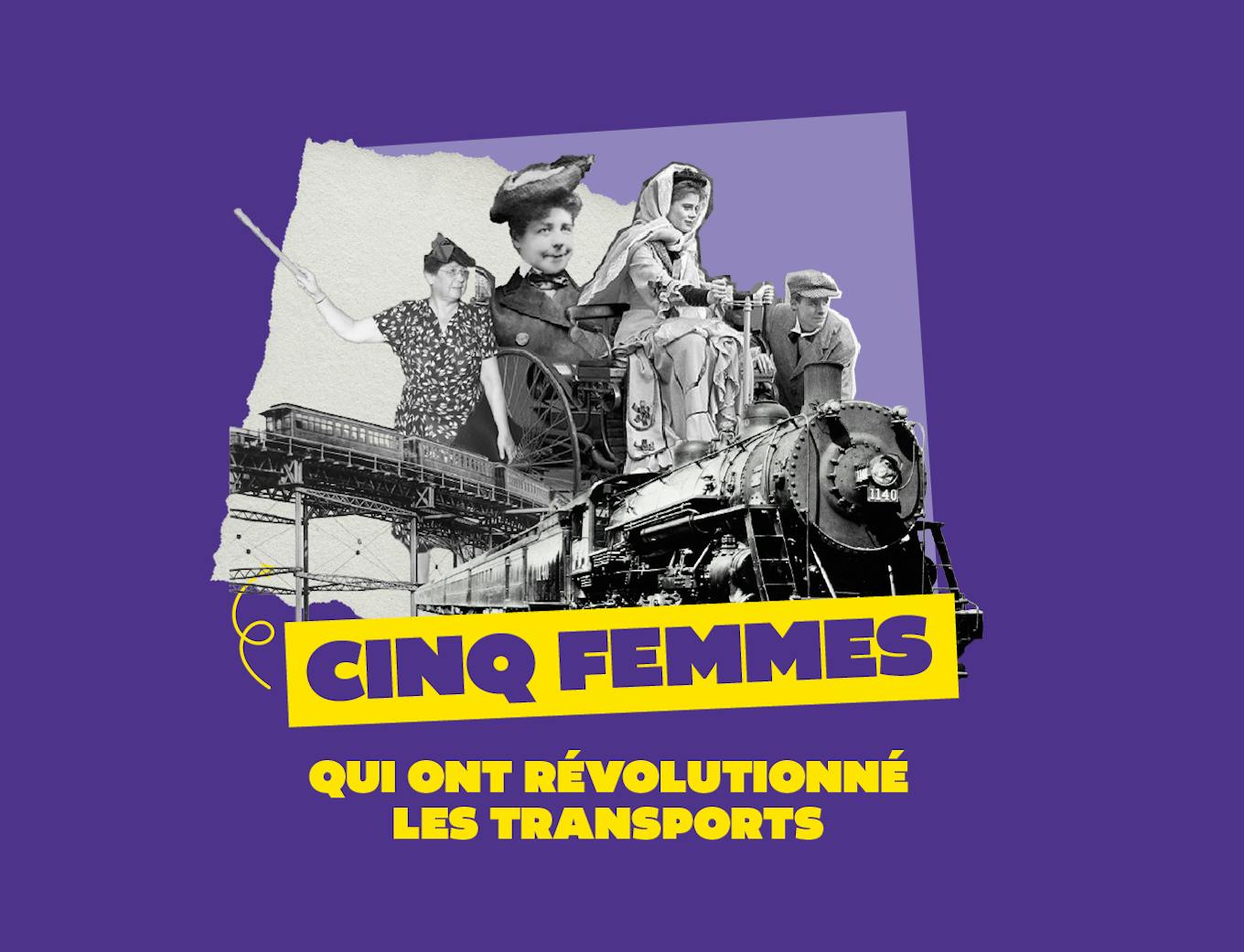
Automobiles, mechanics or railway work: transport is perceived as a rather masculine world.
However, behind the inventions that make it easier for millions of passengers to travel today, there are brilliant women with sharp eyes, who have been able to respond to transport issues with inventiveness.
Windscreen wipers, brakes, traffic signs or comfort on board: for International Women's Day, we introduce you to five women who have revolutionised transport.
#1. Bertha Benz, pioneer of modern brakes
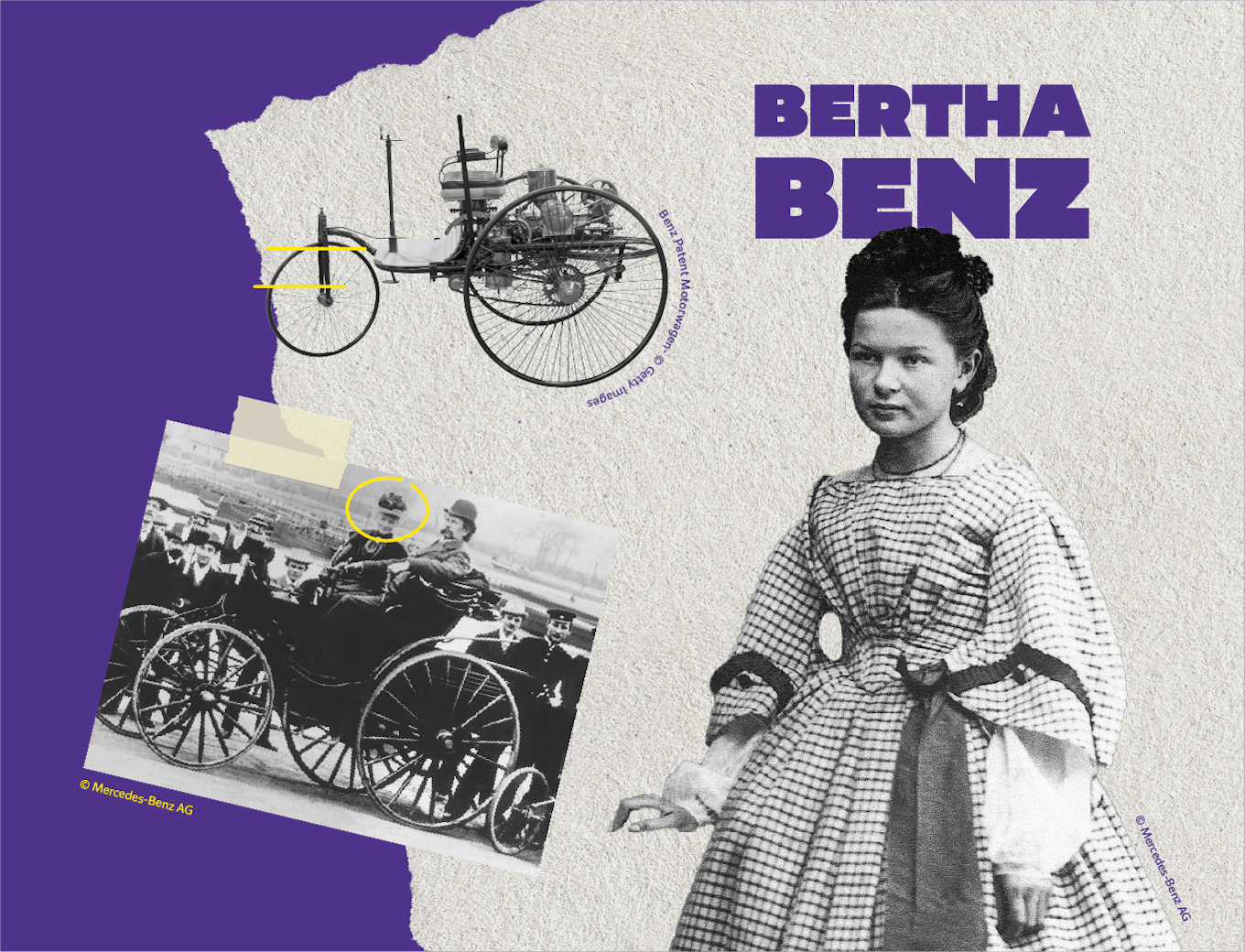
Bertha was born in 1849 in Germany. At the age of 24, she met and married Carl Benz, who was working on the first model of car with a combustion engine.
Bertha supported him, financed his projects and learned the mechanics of the vehicle at his fingertips. In 1886, the patent was signed.
Revelation at the wheel
It was at the wheel that she noticed a major problem: the brakes wore out too quickly.
Bertha has a leather trim added to the brake pads to improve their efficiency, safety and durability.
The brake lining from Bertha Benz marks one of the first improvements in the braking system : a principle that will evolve into the modern linings still used in cars, buses, trams and trains.
The genius of buzz well mastered
In 1888, when her husband's motor car did not find its audience, Bertha Benz made a bold choice.
It covered more than 100 kilometres at the wheel of the car: it was the first long-distance car trip in history and a major spotlight for the Mercedes-Benz manufacturer.
#2. Mary Anderson, the mother of windshield wipers
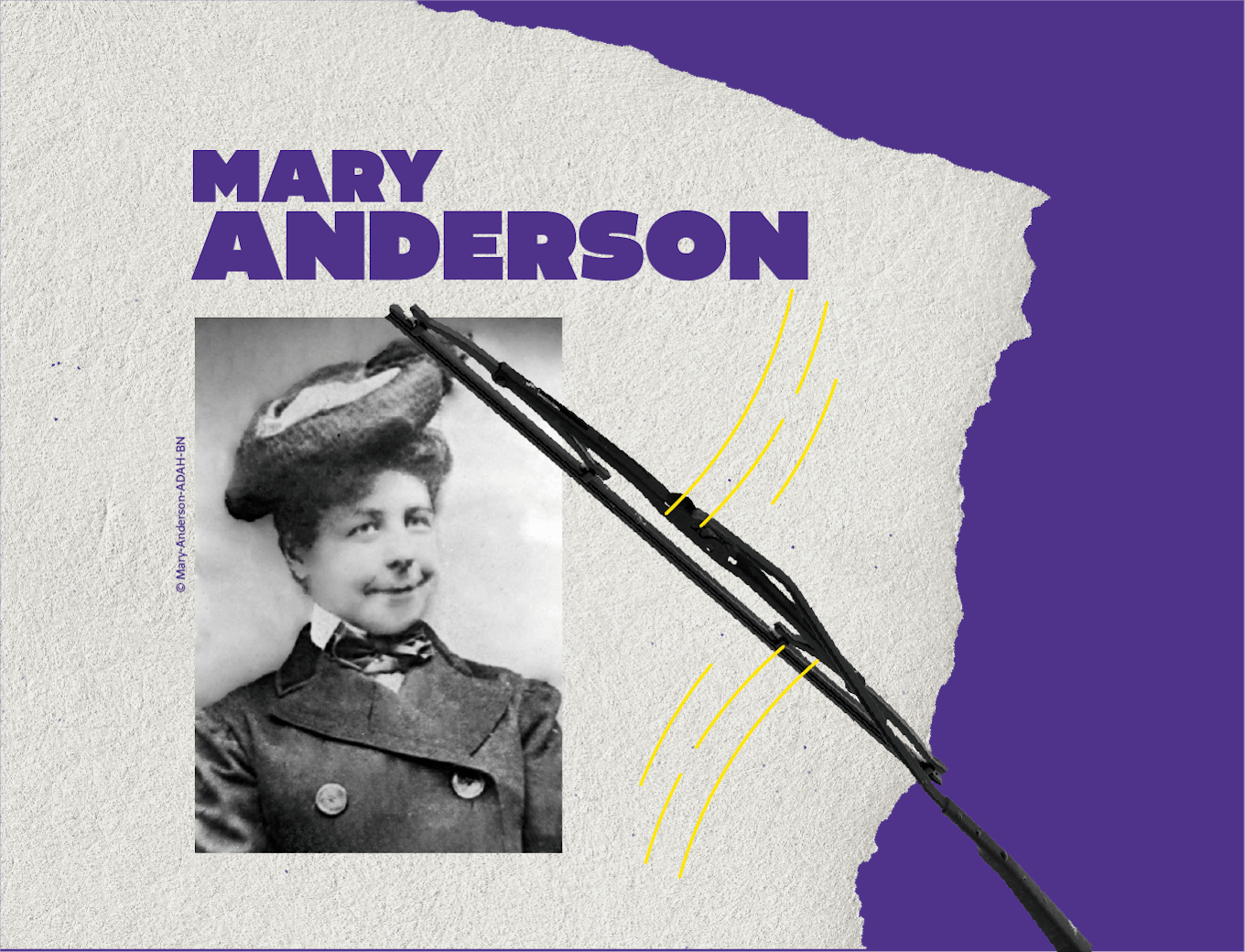
In the early 1900s, the American Mary Anderson noticed that in the event of rain or snow, drivers were forced to stick their heads out of the window to see ahead : obstructed windshields made driving impossible.
It gives him an idea. It hired a company to make a prototype: a lever that could be operated from inside the vehicle, connected to a spring-loaded arm, which moved a rubber squeegee stuck to the windshield back and forth.
It filed the patent in 1903: the first functional windshield wiper was born.
An invention that was disowned for a long time
His invention remained patented for seventeen years without attracting the interest of industrialists. In 1922, the patent fell into the public domain. In the meantime, the use of the automobile exploded.
The idea was recovered and industrialized, and it was the American car manufacturer Cadillac that was the very first to equip its cars with it.
An (essential) object that still equips, 120 years after its invention, cars, buses, trams and trains, all over the world.
#3. Mary Walton, against the noise and smoke in the city
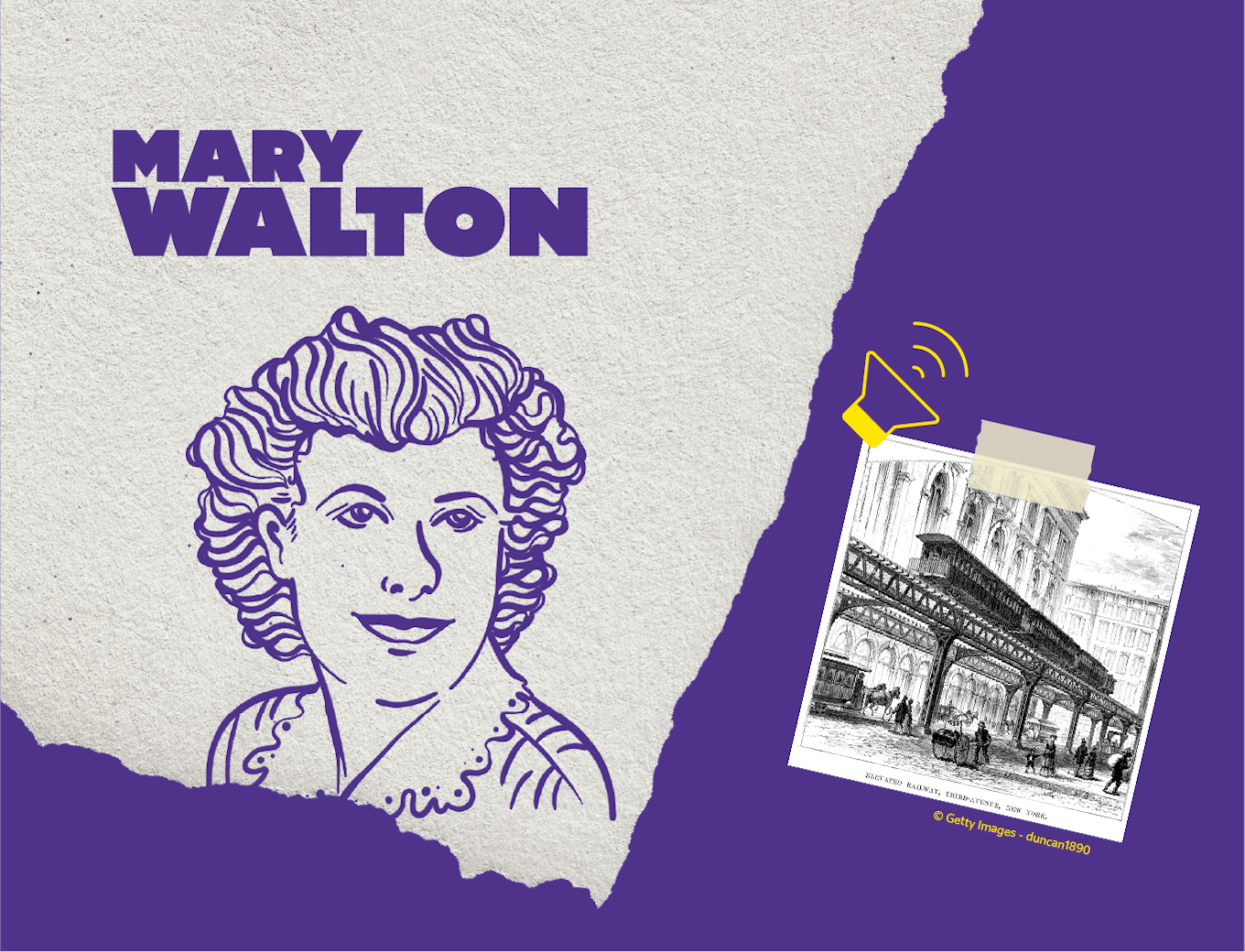
Mary Walton grew up in New York City, United States. Her father encouraged her to train in science and engineering, a rarity for a woman in the late 19th century.
At that time, the city was drowned by the noise of the machines and the thick smoke of the chimneys and coal-fired locomotives. To improve air quality and reduce noise pollution in the city, Mary developed two inventions.
- It is developing a system for pumping air through water tanks to trap pollutants at the outlet of chimneys, thus reducing the impact of smoke and air pollution in the city.
- It tackles the din produced by elevated metros by inventing a wooden box filled with tar, sand and cotton placed on the rails to muffle the noise. It sold its patent to the New York City Metropolitan Railroad.
#4. Olive Dennis, genius of comfort on board
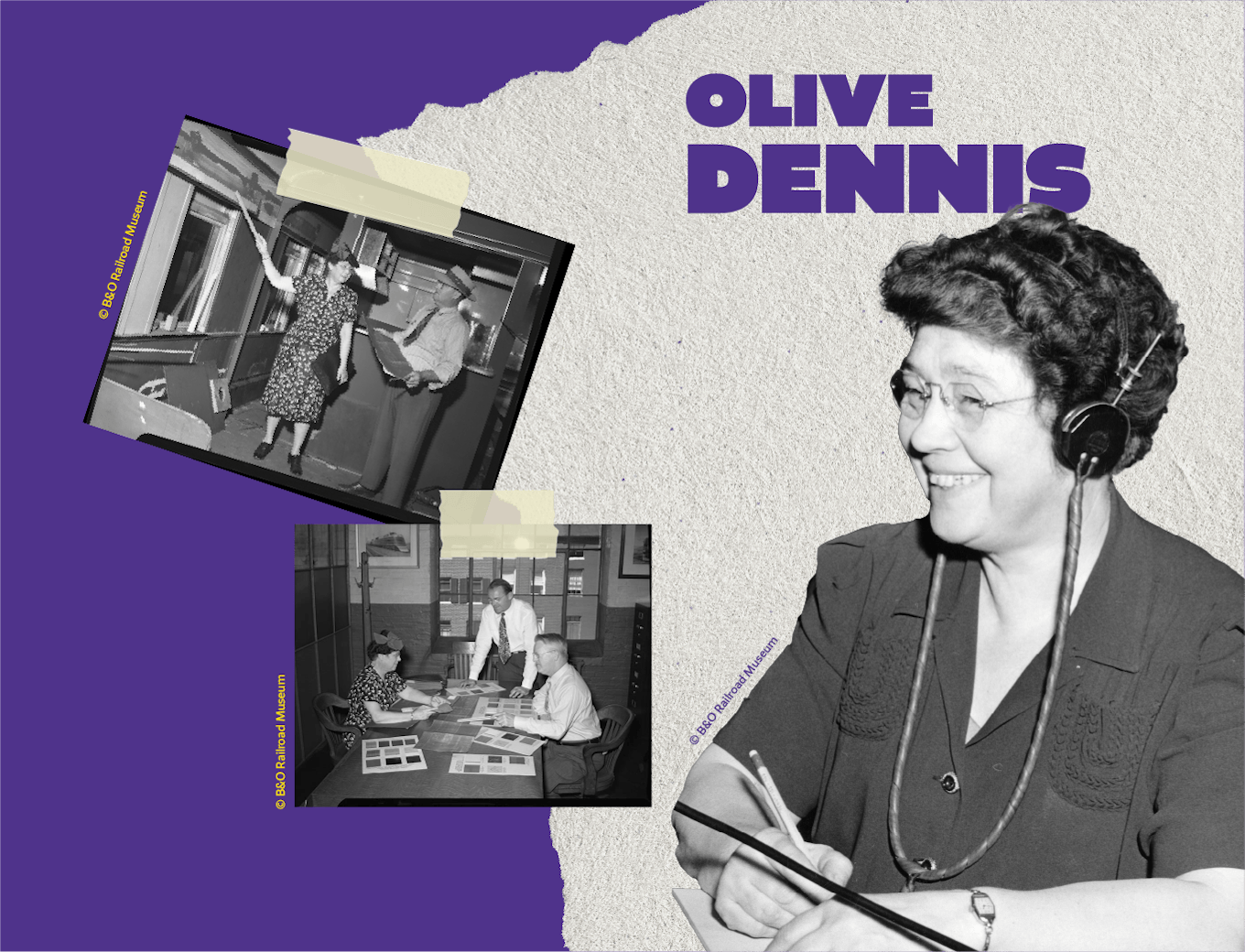
After studying mathematics and astronomy at Columbia University, Olive Dennis is the first woman to obtain a master's degree in civil engineering from Cornell University (United States).
Recruited in 1920 by the Baltimore & Ohio Railroad, she became one of the first female engineers to work on the passenger experience on board trains.
Its mission? To make passengers feel comfortable on board.
She travels thousands of kilometres to assess their needs and ask them about their expectations.
We owe him :
- An adjustable ventilation system to stabilize the temperature
- Reclining or folding seats
- Adjustable lights for the night
- Counters to eat at any time
- More comfortable washrooms (soap and paper dispenser)
- Stain-resistant and wear-resistant materials
#5. Margaret Calvert, universal signage
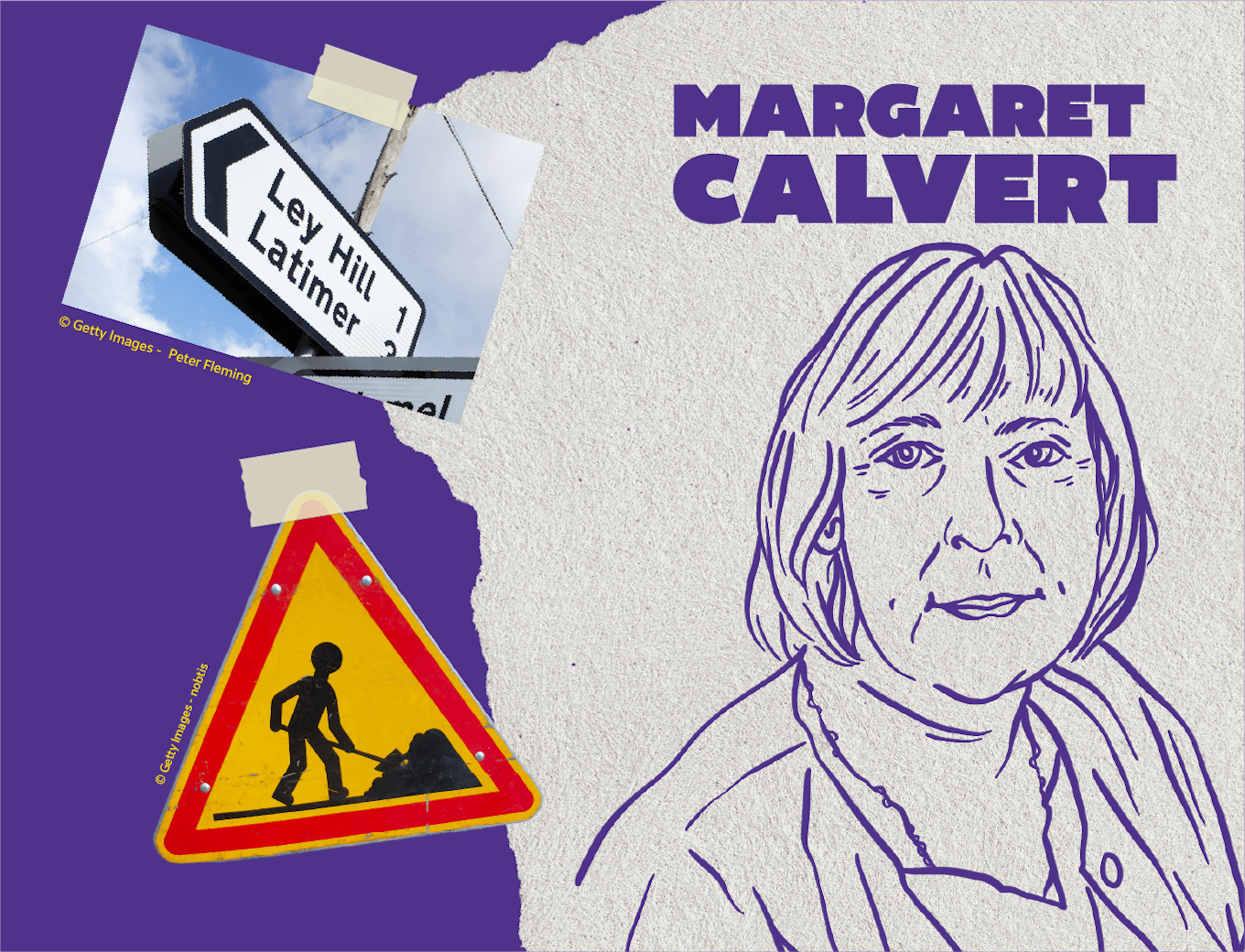
Margaret Calvert was born in South Africa in 1936, before moving to the United Kingdom. She studied graphic design at Chelsea College of Art, where she met Jock Kinneir, her teacher and mentor.
It was Kinneir who offered him his first mission: to design the signage for Gatwick airport.
Information, reaction: the genius of signalling
In the 1960s, with the democratization of the car and the development of roads, traffic and speed increased.
The British government entrusted Calvert and Kinneir with the complete overhaul of the signage to simplify it, to make it readable at a glance, from a distance and at high speed. Their work will influence road, rail and airport signage around the world.
It is at the origin of iconic pictograms such as:
- "Attention children"
- "Works"
- "Recommended speed"
- or "Presence of animals"
One, two, three iconic fonts
Margaret Calvert participated in the creation of several typefaces.
The Gatwick font for the airport, Rail Alphabet for the British Rail company and the Transport font, legible from a distance and at high speed for the English road network.
A pioneer in transport signalling.
To go further: discover the heritage of the Ile-de-France region in women
For the curious, and still on the occasion of International Women's Day, we have selected four places to discover the heritage designed and thought by women in Île-de-France.