What to see and do in Île-de-France? March 8 Special
#1. Immerse yourself in the history of women and feminism at the Marguerite Durand Library
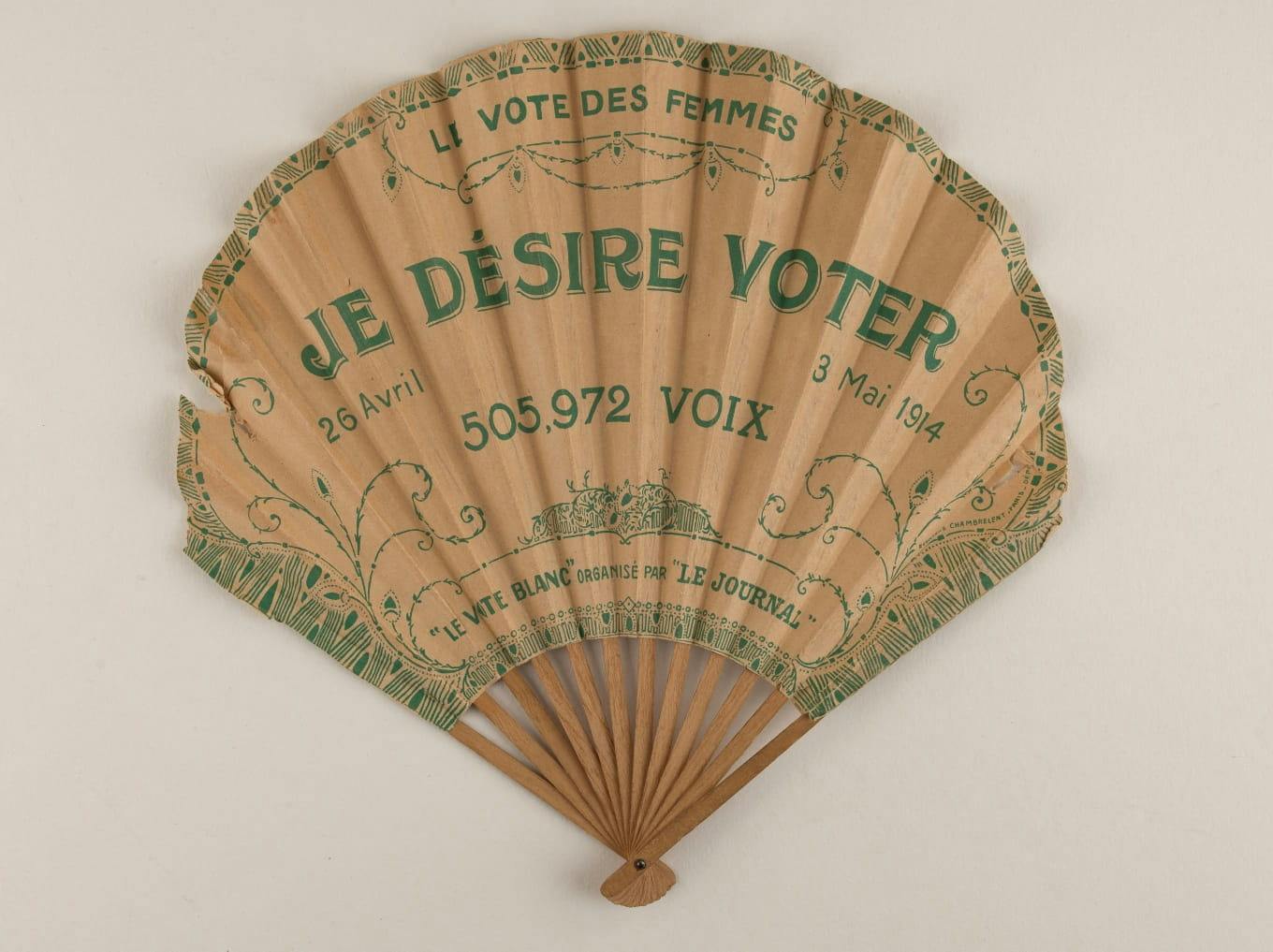
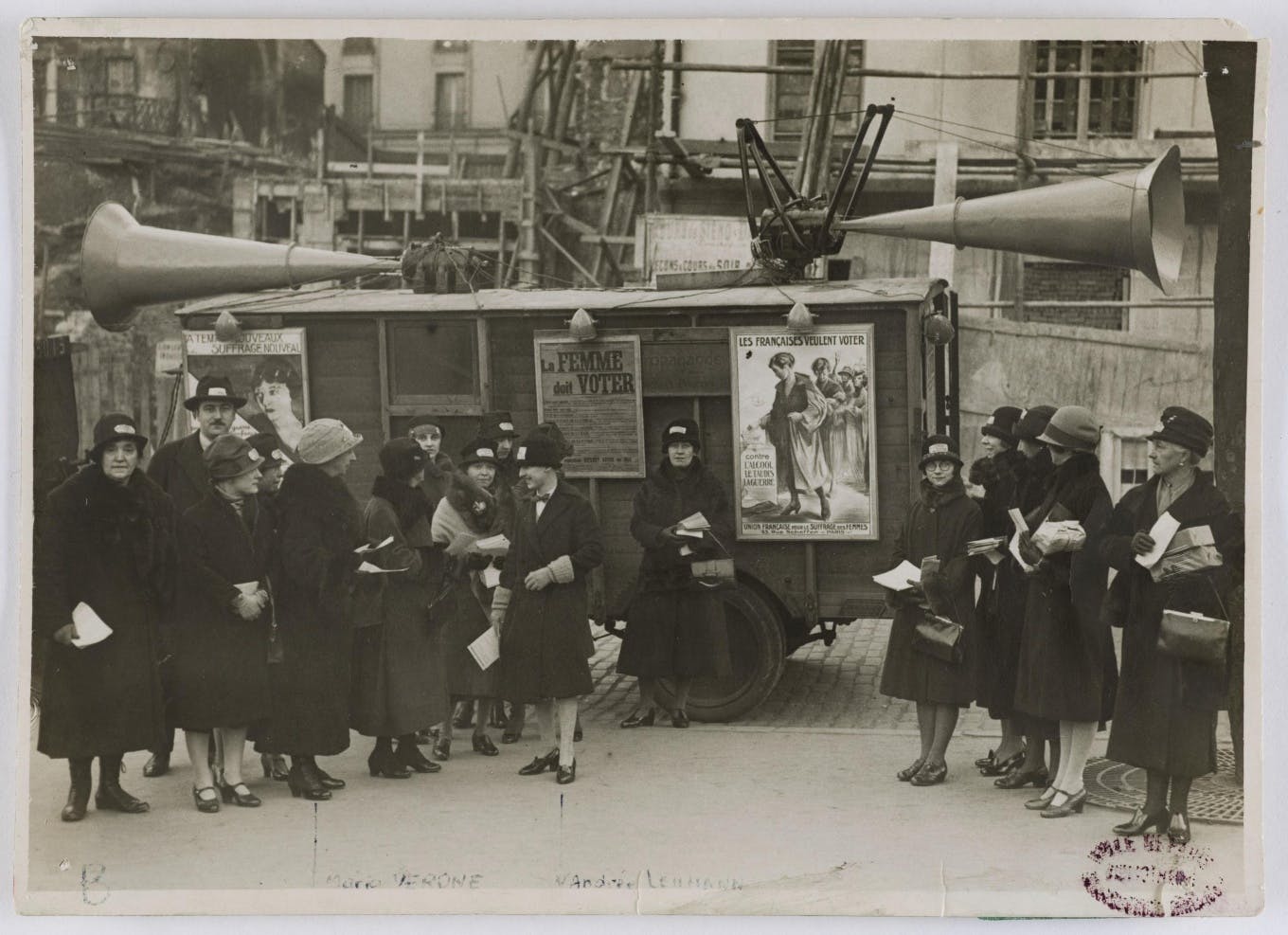
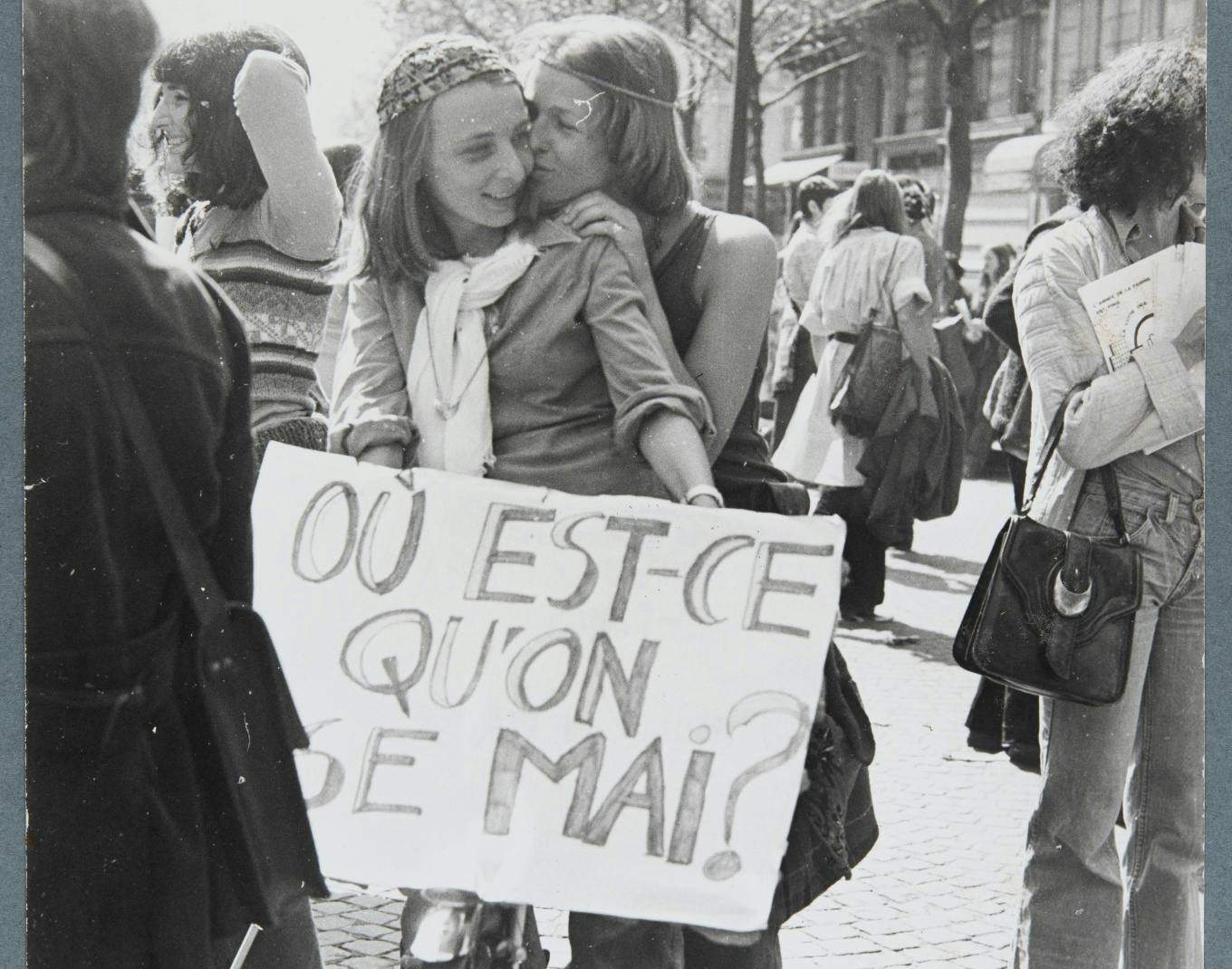
Located in the 13th arrondissement of Paris, the Bibliothèque Marguerite Durand is the first library based on the history of women, feminism and gender in France.
Created in 1932 to house the archives of the journalist and feminist activist Marguerite Durand (1864-1936), it now has an exceptional collection with :
- More than 50,000 books on women's rights, equality and feminist struggles
- 1500 women's , feminist, activist and research periodicals
- A precious collection : posters, correspondence, photographs and archival collections
- Exhibitions and events (check out their website)
- A scientific blog The Marguerite Effect : with articles, decipherments and selections of documents to discover
Why go there?
The library exhibits a collection of fascinating objects, such as the "I want to vote" fan, a witness to the conquest of women's right to vote (photo just above).
Practical information
Bibliothèque Marguerite Durand: 79 rue Nationale, 75013 Paris
- Metro 14 : Olympiades station
- Metro 7 : Porte d'Ivry station
- Free admission : consultation of documents on registration
Please note : as the Bibliothèque nationale de France is a research library, you cannot borrow documents.
#2. The Maladrerie d'Aubervilliers, the inventive and social architecture of Renée Gailhoustet
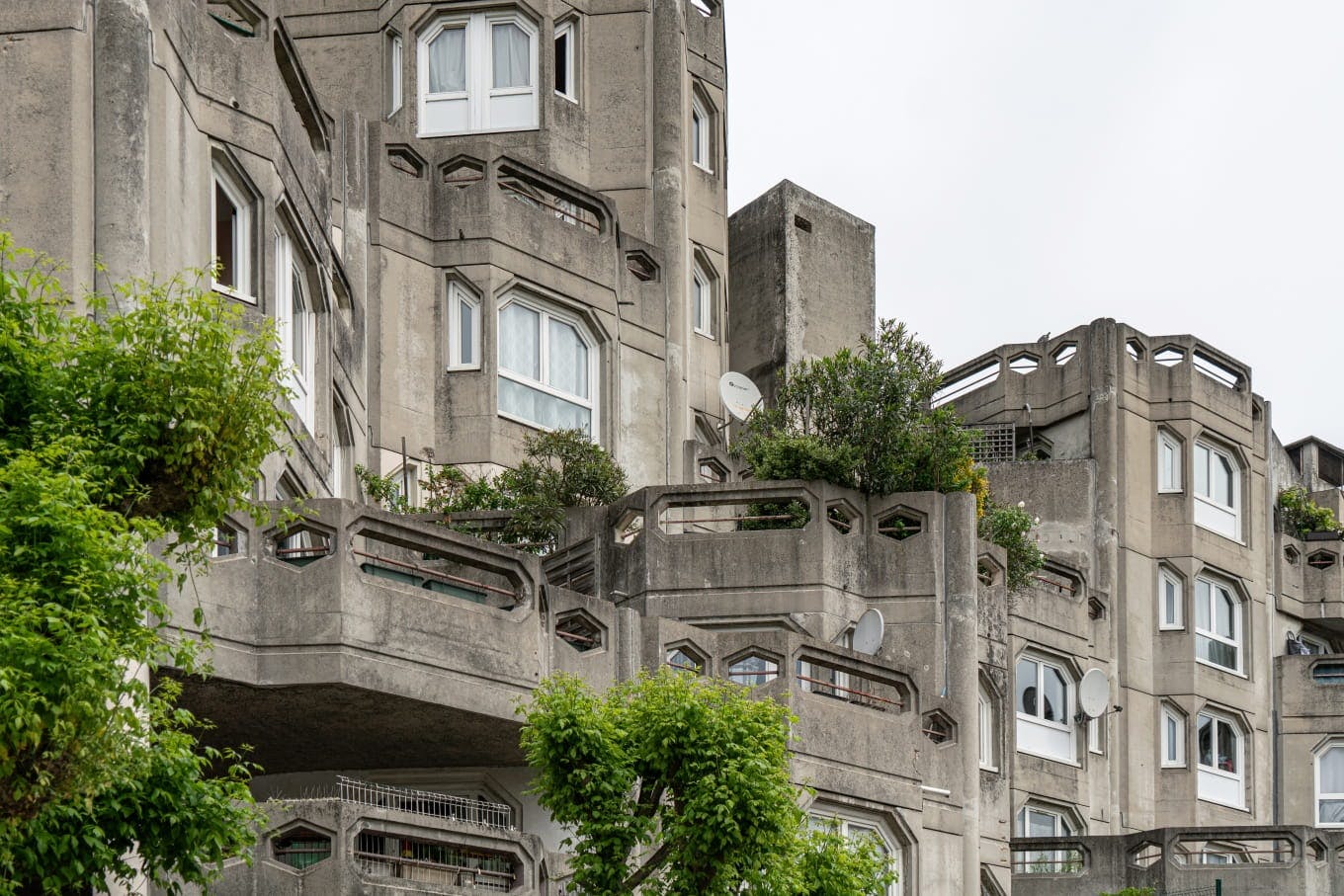
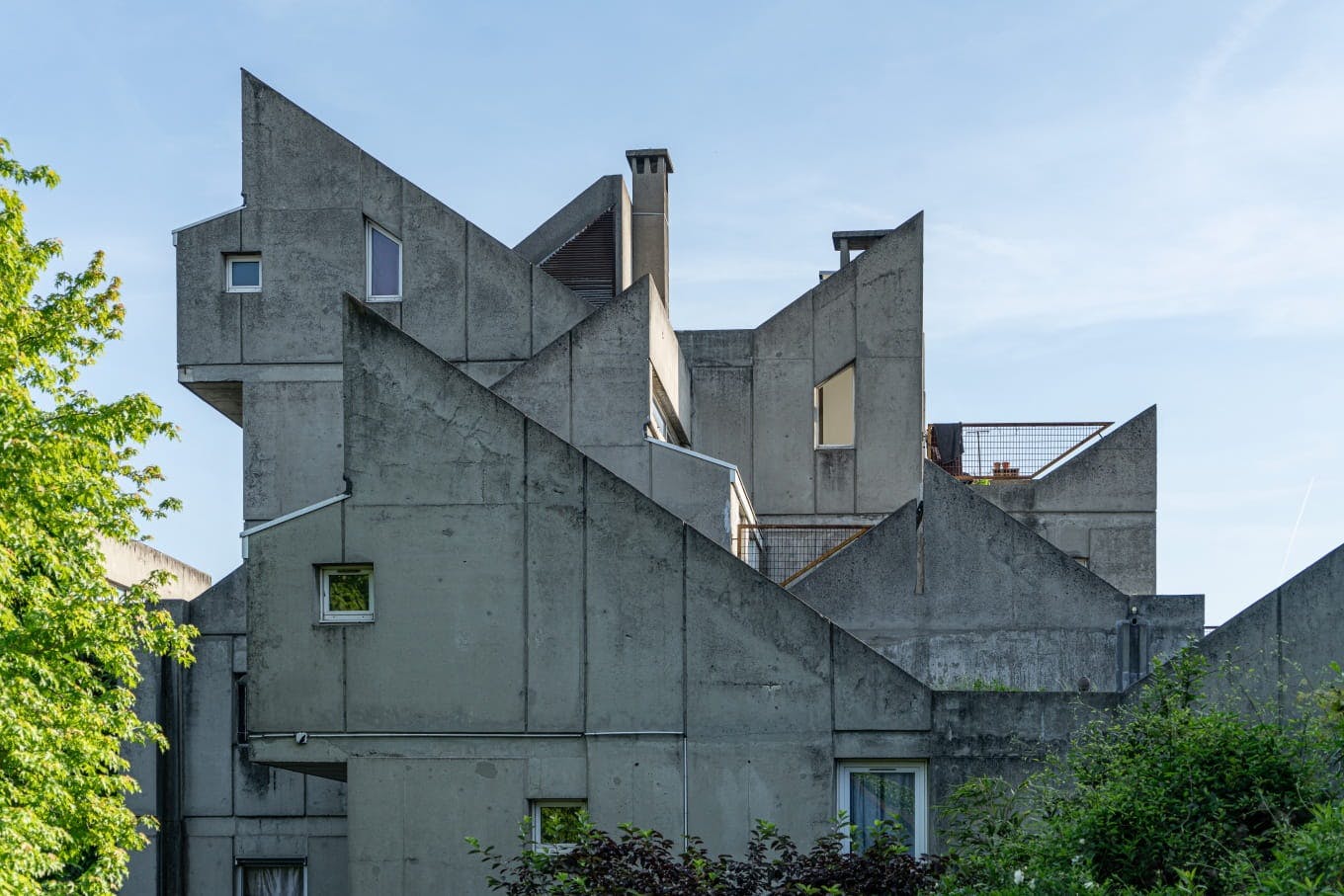
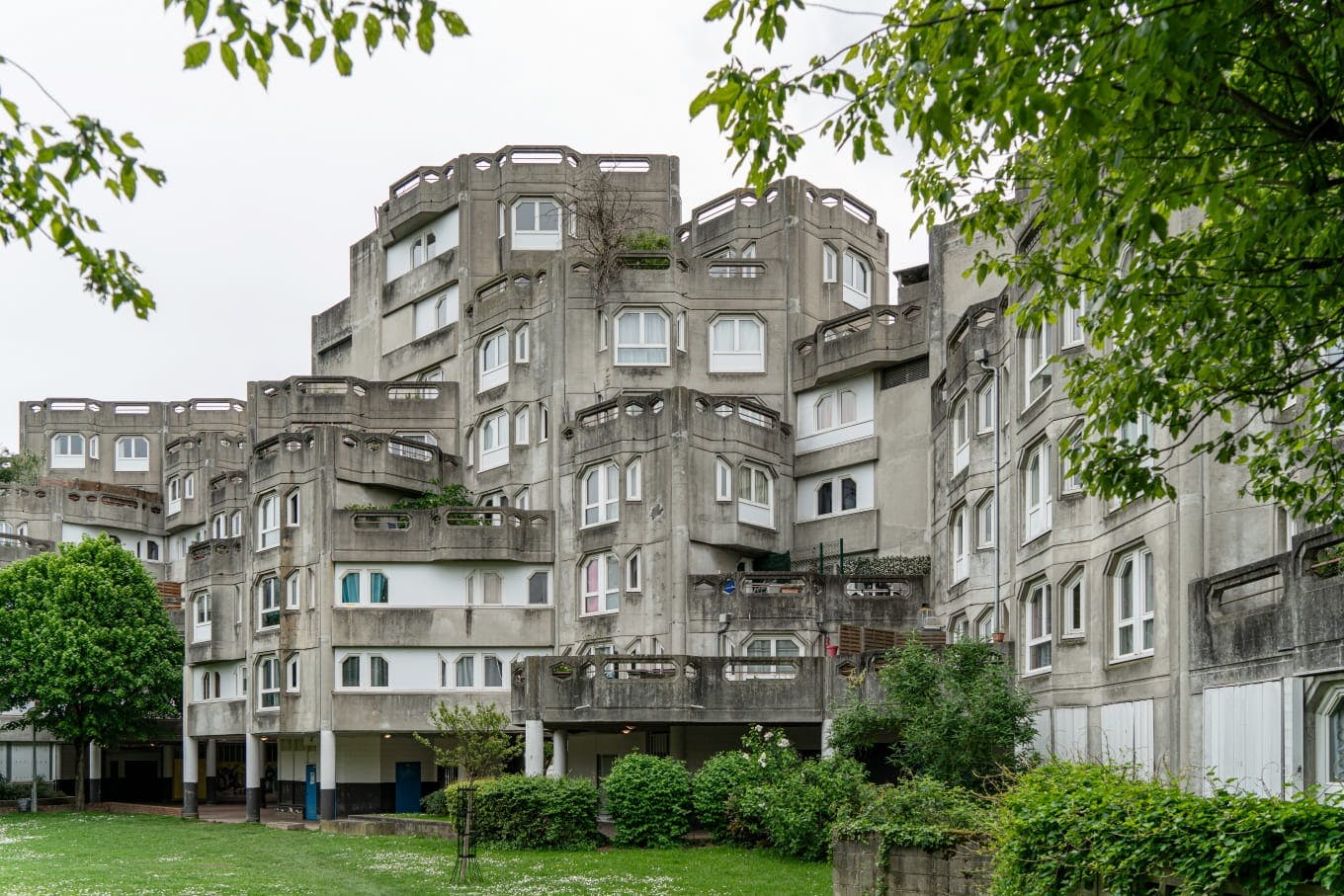
Head to Aubervilliers, in Seine-Saint-Denis, to discover the Maladrerie, a district built between 1975 and 1984 by the architect Renée Gailhoustet (1929-2023).
A major figure in French architecture who has won many awards, Renée Gailhoustet is one of the few women architects of her generation to have left her mark on the urban landscape of the Ile-de-France region.
La Maladrerie: beauty for social housing
Far from the apartment blocks, La Maladredrie is a social housing complex with suspended terraces, diversity, asymmetry and gardens.
The 1000+ social housing units in the district defy the codes of traditional urban planning with:
- Suspended walkways and walkways that create meeting spaces
- Gardens and terraces planted with trees
- Asymmetrical volumes that offer light, beauty and privacy to the inhabitants
- Diversity : housing coexists with shops, socio-cultural facilities and artists' studios
Why go there?
To discover the collective and social vision of a genius of French architecture.
La Maladrerie is listed as a Twentieth Century Heritage and Remarkable Contemporary Architecture.
Practical information
La Maladrerie, rue de la Maladrerie, 93300 Aubervilliers
- Metro 7 : Aubervilliers - Pantin Quatre Chemins station, then 10 minutes walk
- Free walk possible in the public outdoor areas
#3. Suzanne Lenglen Park, a tribute to a champion ahead of her time
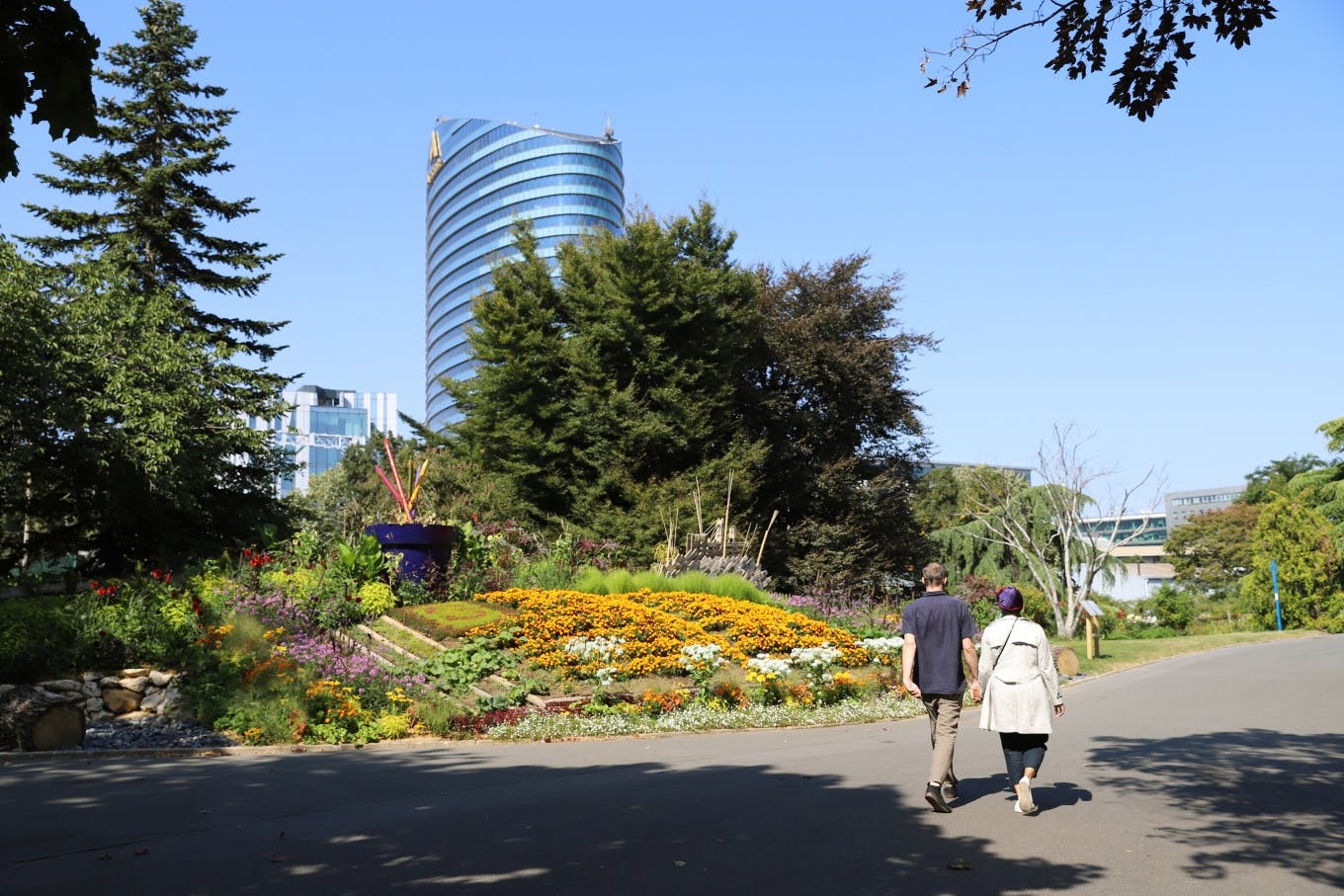
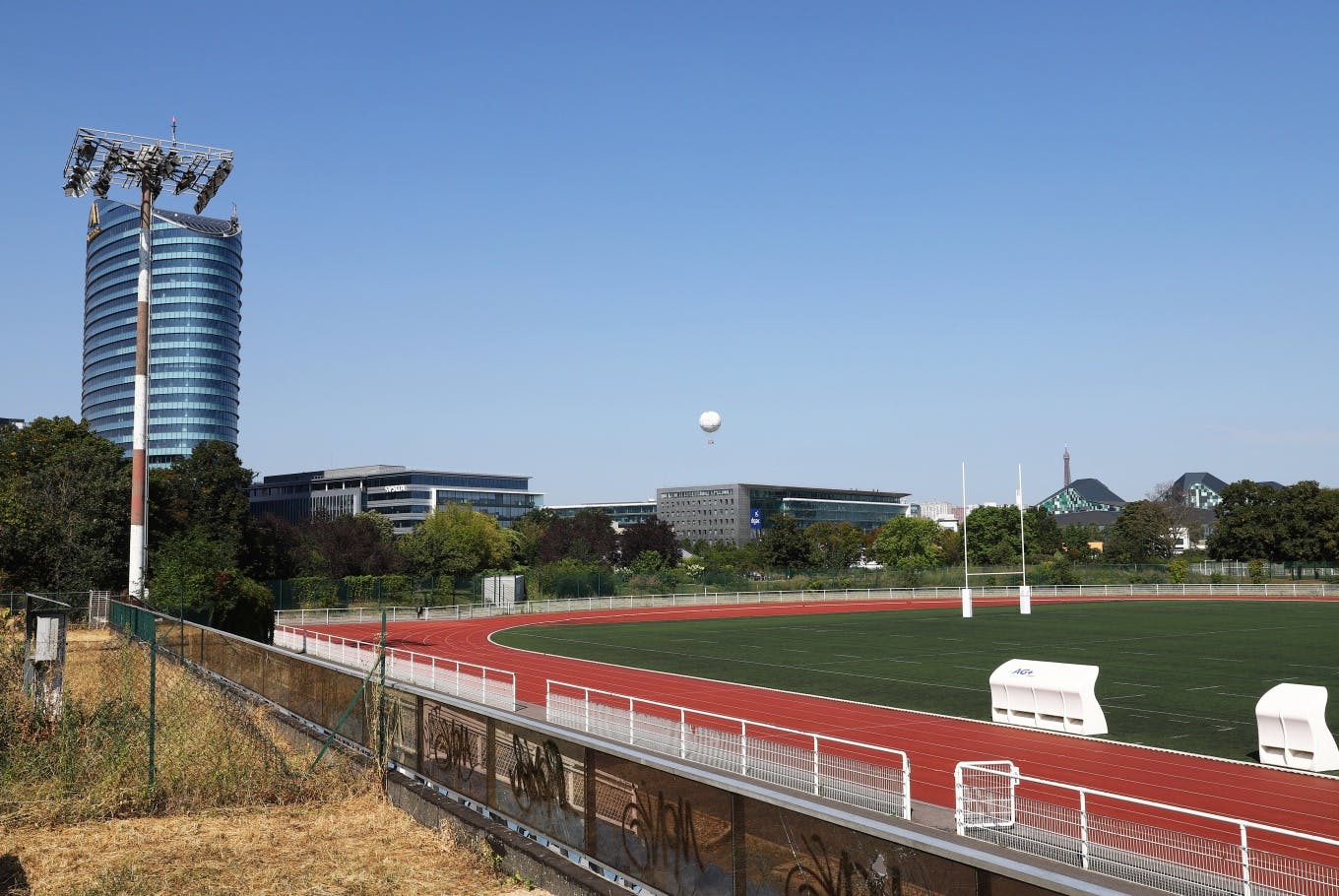
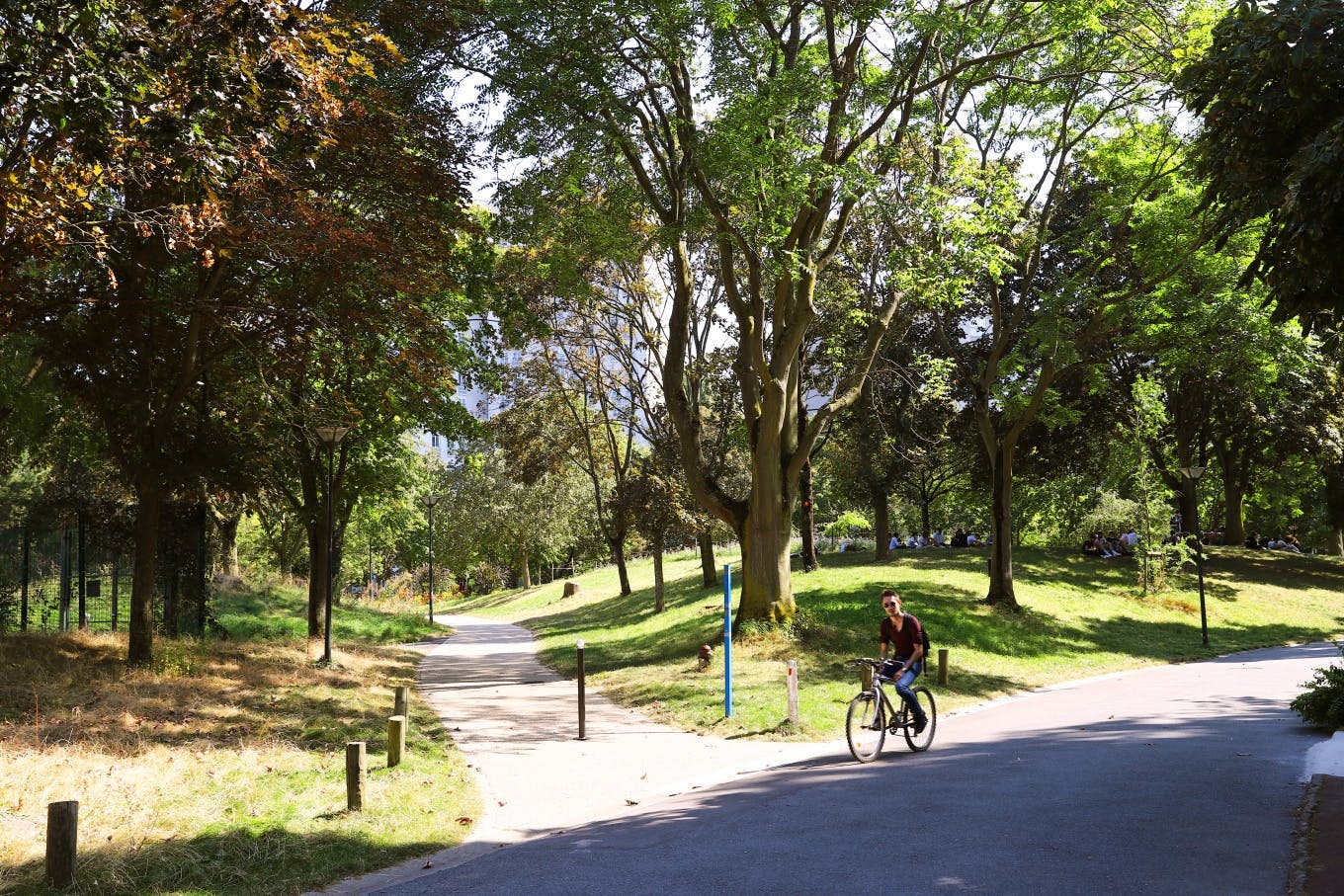
Head to the 15th arrondissement of Paris to discover the Parc Suzanne Lenglen : a 15-hectare green space that bears the name of an extraordinary champion.
Suzanne Lenglen (1899-1938) was the first international star of women's tennis, she won 241 tickets and won the Wimbledon tournament six times. The second main court of the Roland-Garros stadium bears his name (no less).
She shook up the codes of women's tennis in the 1920s by abandoning the corset for short skirts and headbands. It frees his practice from the shackles and scandalizes, in the process, an entire era.
Why go to Suzanne Lenglen Park?
- Sports fields integrated into the landscape : tennis (of course), rugby, athletics, basketball, football, rollerblading, bowling alley, gymnasium...
- A landscaped garden
- An urban educational farm (La Ferme de Suzanne): with dwarf goats, Ouessant sheep, chickens and rabbits
Practical information
Parc Suzanne Lenglen, 2 rue Louis Armand, 75015 Paris
Open every day
- Metro 12 : Corentin Celton station
- Metro 8 : Balard station
- RER C : Issy Val de Seine station
#4. The Verrerie de Soisy-sur-École, from flames to girl
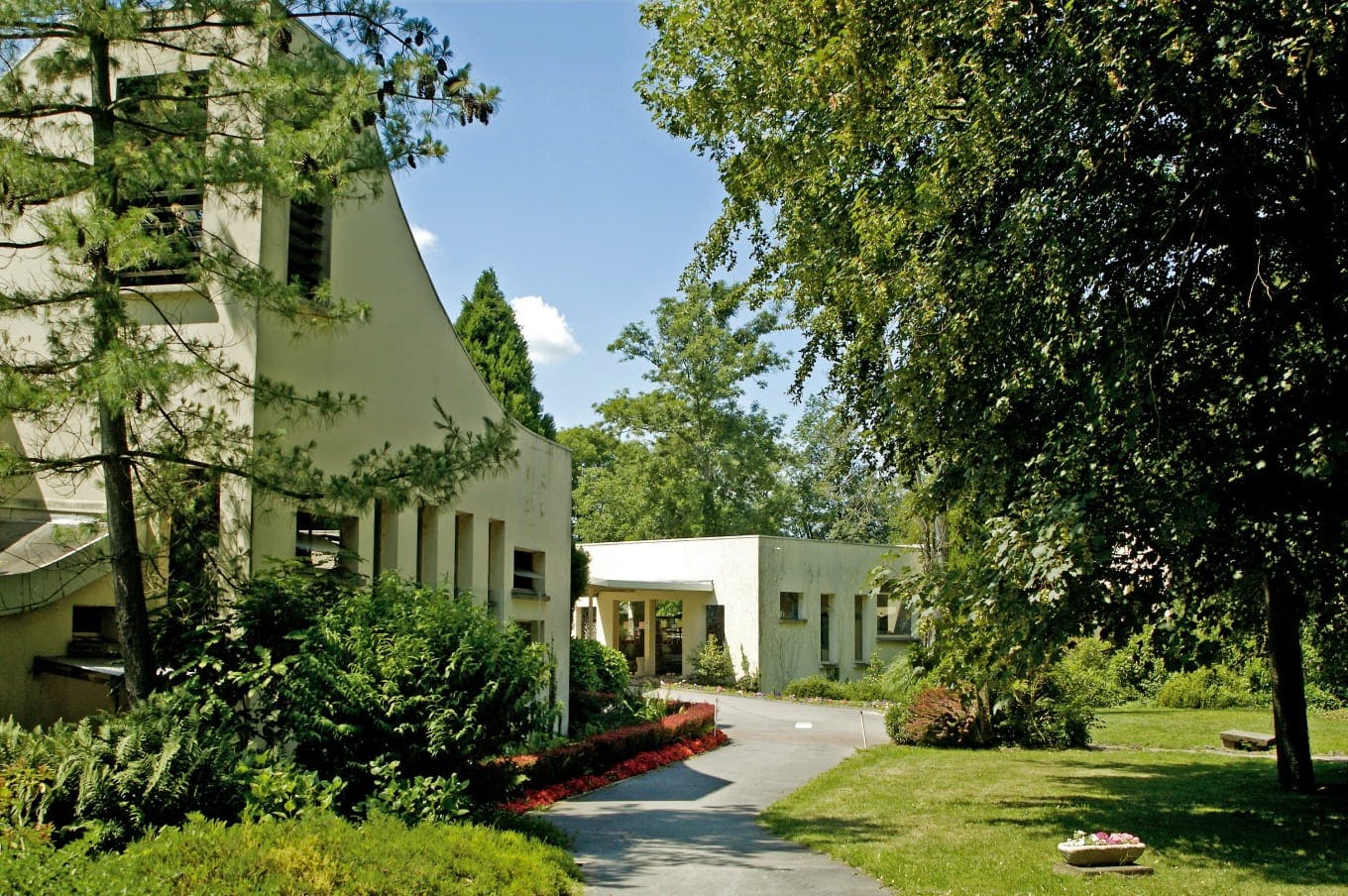
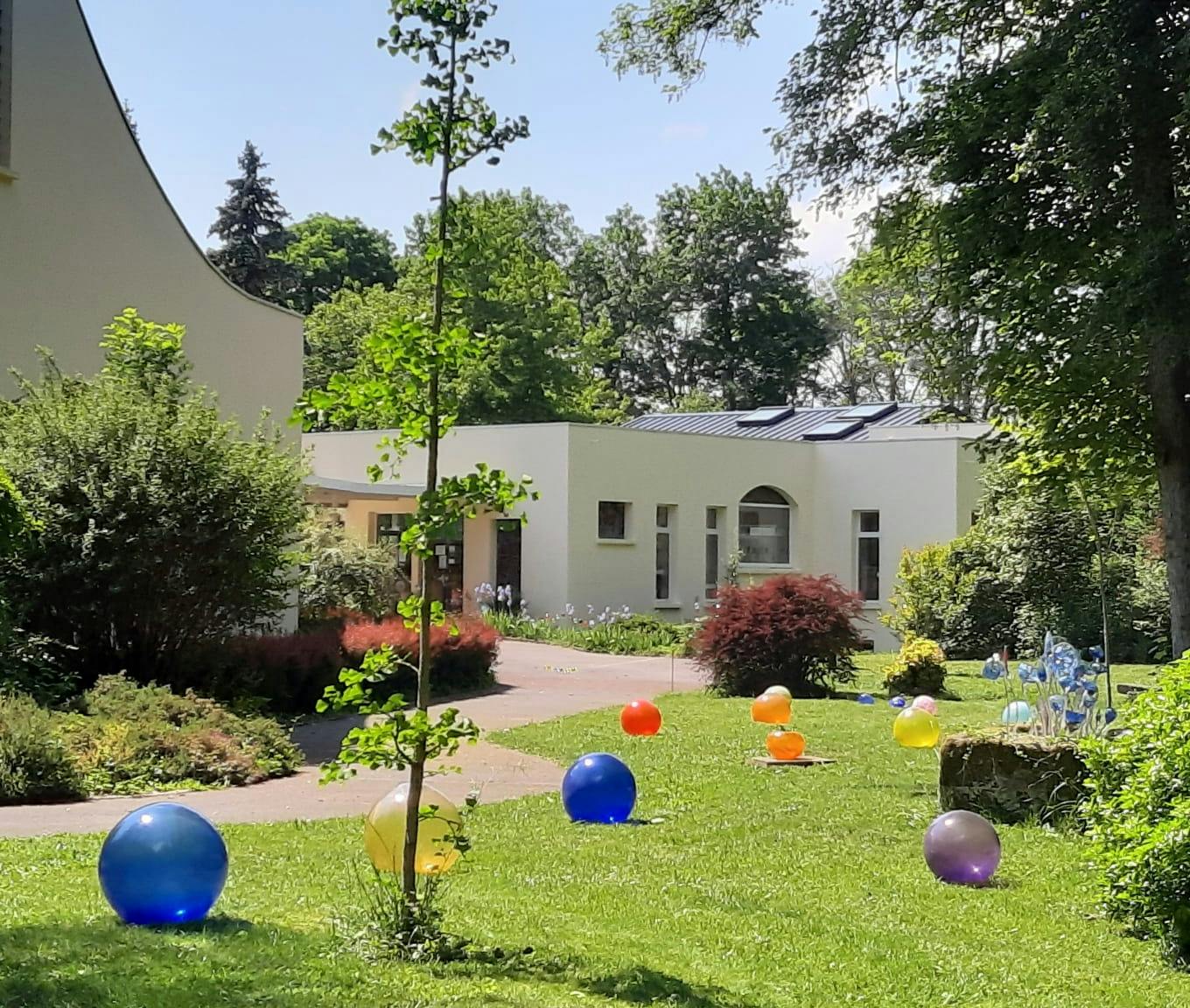
Head to Essonne to discover a place where know-how blows at 1200°C: the Verrerie de Soisy-sur-École.
It all began in 1977, when Elizabeth Giraud (director of the Verrerie de La Rochère in Haute-Saône), created an artisanal glassworks dedicated to the transmission of artisanal gestures, to counter the mechanization of the trade.
His goal? To continue this thousand-year-old tradition and make it accessible to the public. She chose a corner of greenery on the banks of the river to build the workshop and entrusted the management to her daughter, Marie-Alice Alary.
An artisanal glass factory open to all
The Verrerie de Soisy-sur-École is:
- An active workshop where you can watch the glassmakers blow their art
- A poetic glass garden: art installations scattered in a wooded park by the water
- Exceptional know-how : filigree (work made of intertwined and welded glass threads), incalmo (assembly of hot-coloured bubbles) and other artisanal techniques
- A shop presenting all the creations
Practical information
Verrerie de Soisy-sur-École, 12 Rue du Moulin des Noues, Soisy-sur-École
- Access: RER D to Melun, then bus 3424 to La Rionnerie stop
- Free self-guided tour for individuals
- Accessible shop and glass garden
#5. Rosa Bonheur's Château-studio, stroll through the land of a free artist
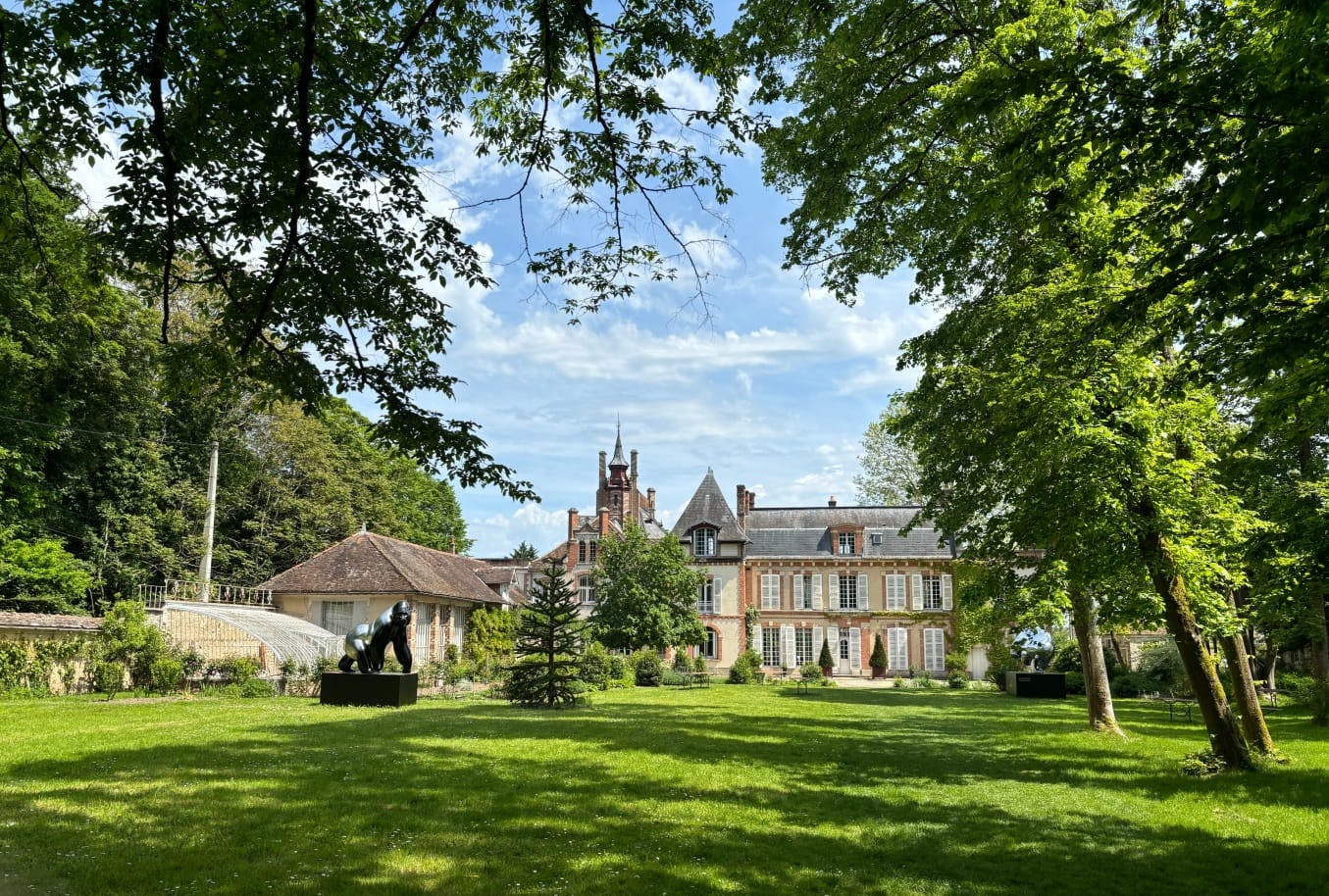
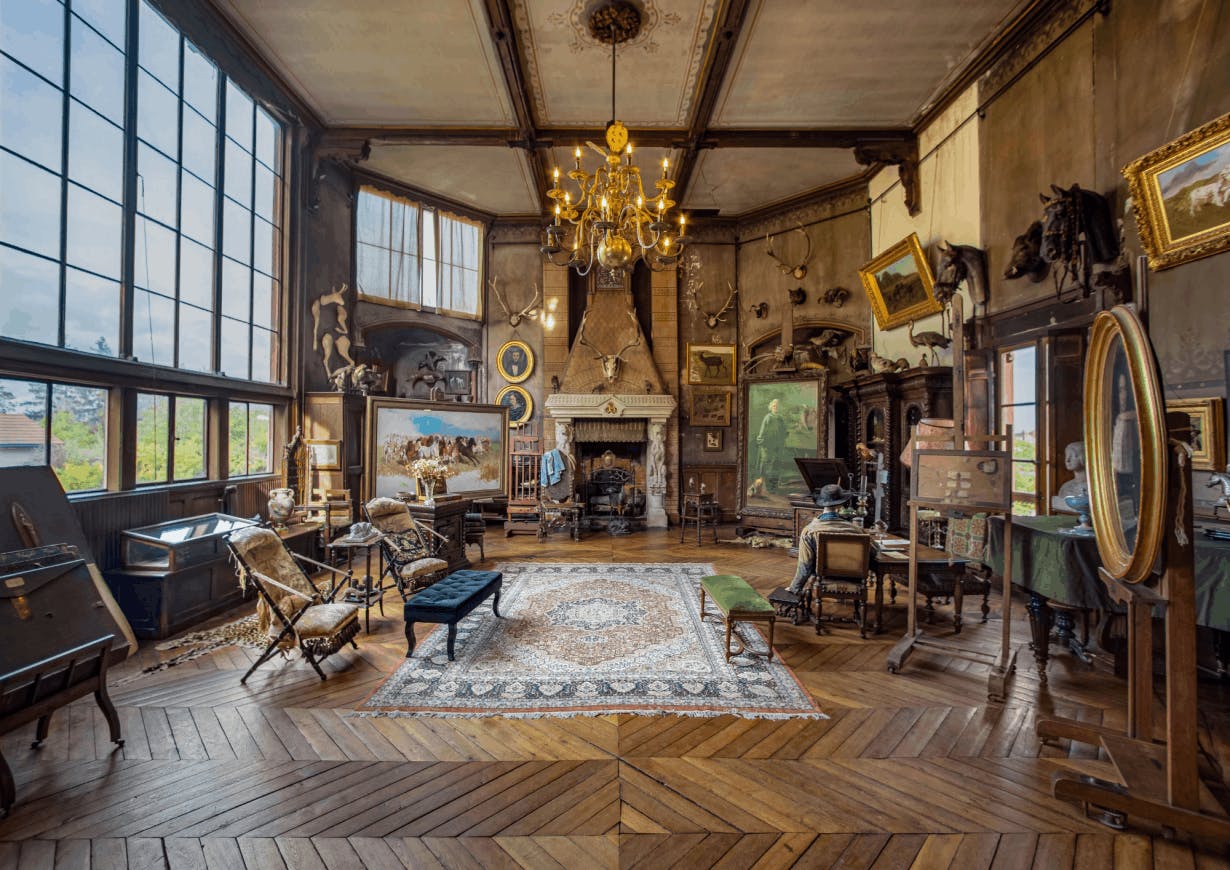
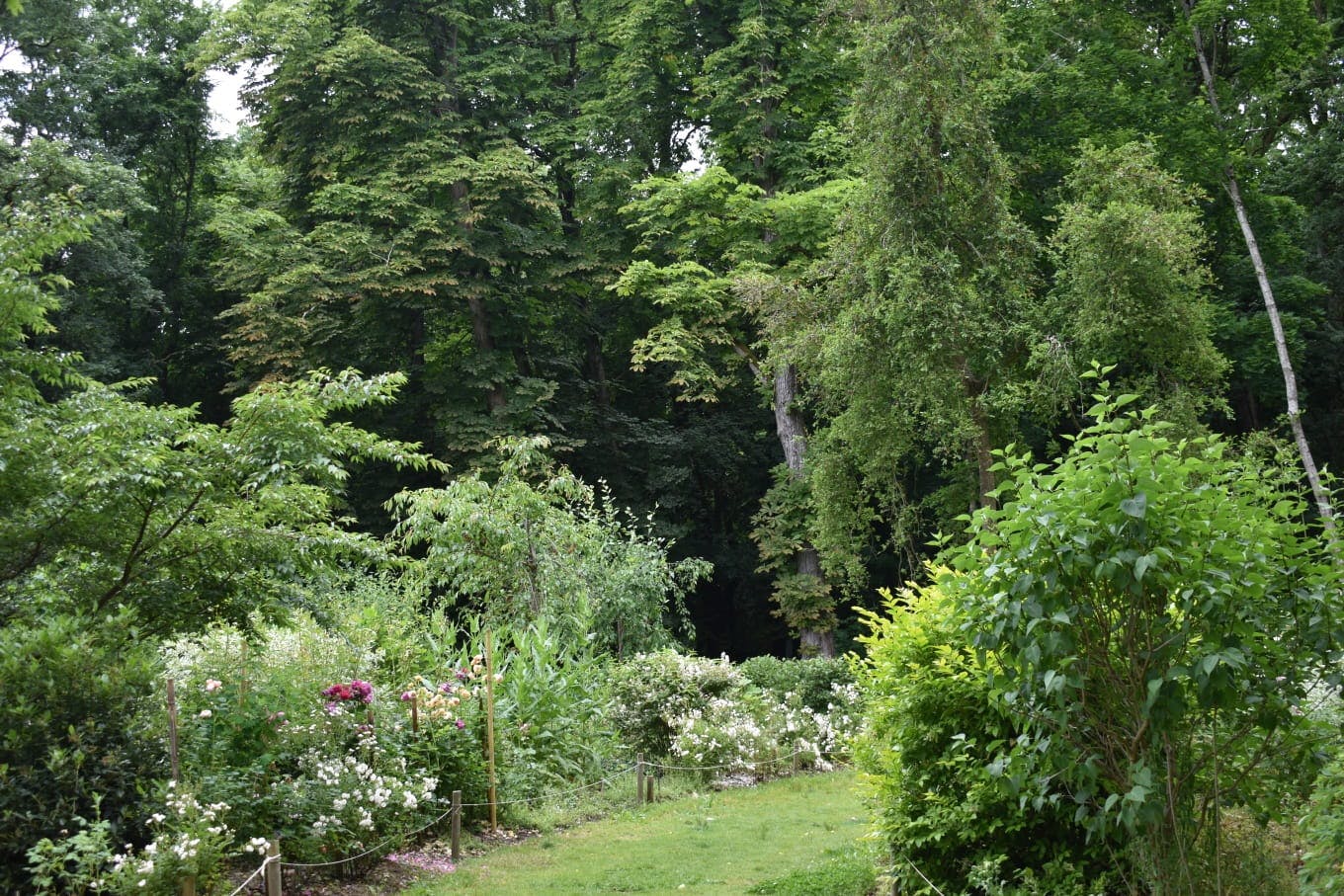
In Thomery, a few kilometres from Fontainebleau, the Château de By (19th century) was the kingdom of the woman who painted animals like no one else, wore trousers when it was illegal and lived with her partner: the painter Rosa Bonheur (1822-1899).
The listed castle is one of the few places in the Ile-de-France region to hold high the memory of a talented, non-conformist and visionary woman artist.
Why go there?
- A romantic park with free access : to stroll through the English gardens that inspired the painter
- A tea room where you can enjoy a pastry in a unique setting
- A museum (for a fee) to discover all the artist's works and studio
Practical information
Château Rosa Bonheur, 15 rue Rosa Bonheur, 77810 Thomery
- Access : Line R to Thomery station + 20 minutes walk through the forest
- Free access to the garden
In summary: what to do in March in Île-de-France?
- Dive into the history of women and feminist struggles at the Marguerite Durand Library
- Discover the social and audacious architecture of Renée Gailhoustet at the Maladrerie d'Aubervilliers
- Walk and breathe at the Suzanne Lenglen Park, a living tribute to a tennis champion
- Observe the magic of blown glass at the Verrerie de Soisy-sur-École
- Stroll through the gardens of Rosa Bonheur at the Château de By, a creative refuge for a free artist