Tzen 4: a new generation bus arrives in Essonne
Why a new line?
In Essonne, the bus line 4206 (ex 402) which connects Viry-Châtillon to Corbeil-Essonnes is the busiest line in the outer suburbs.
Often saturated and subject to heavy road traffic, today's buses were no longer sufficient to absorb the growing demand from passengers.
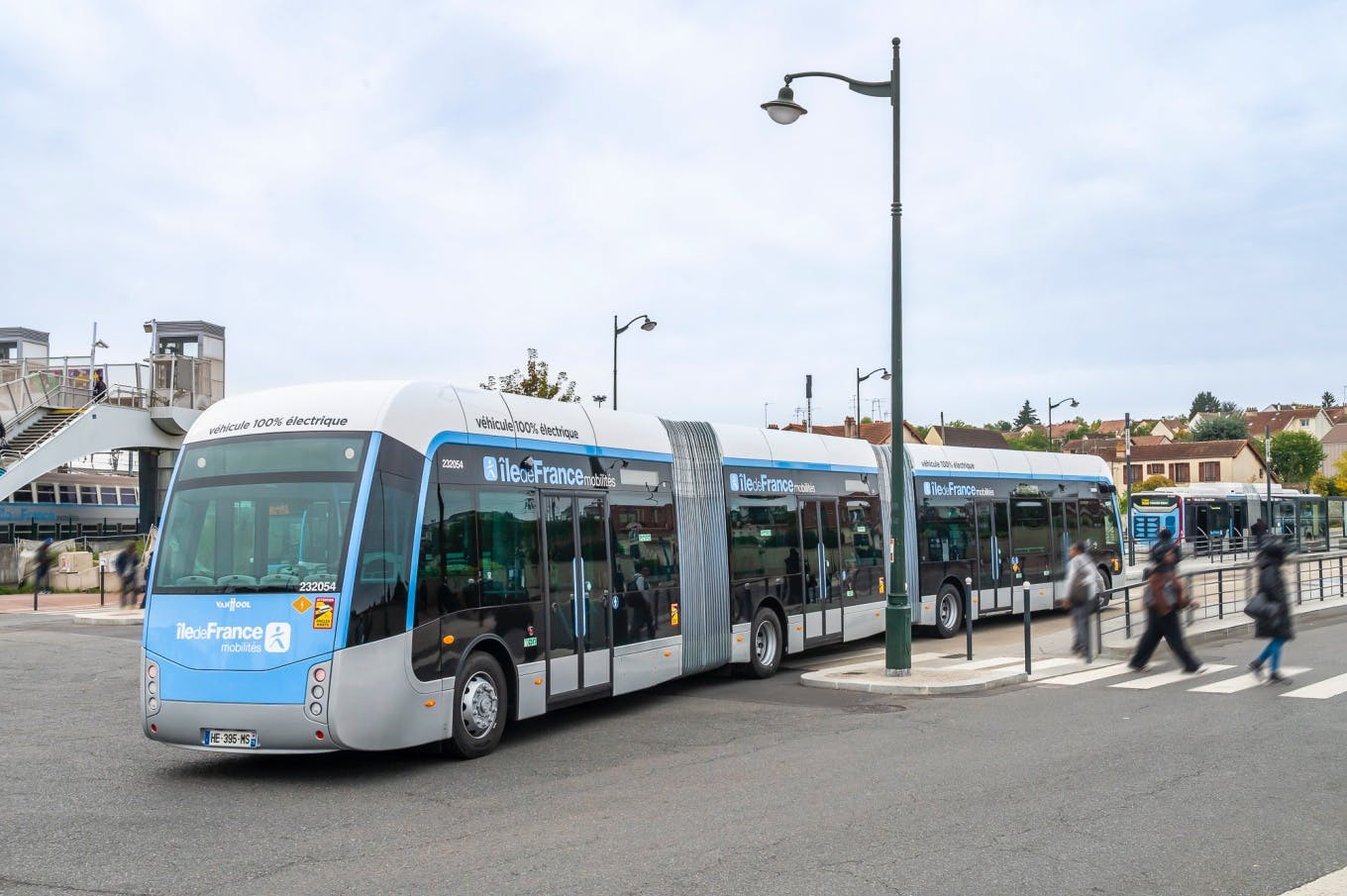
To avoid delays and offer more comfort on board, line 4206 is gradually being replaced by the Tzen 4 from 10 February 2026 : a long bi-articulated bus running over 14 km of redesigned infrastructure, with reserved lanes for a large part of the route.
Please note: line 4206 will continue to run every 15 minutes from Monday to Friday in addition to Tzen 4.
Tzen 4: what is it and what are the advantages?
- Long bi-articulated buses of 24 meters : capacity 140 passengers compared to 100 before
- Dedicated lanes for most of the journey, to avoid traffic jams
- 5 municipalities in Essonne served by 30 stations: Corbeil-Essonnes, Évry-Courcouronnes, Ris-Orangis, Grigny and Viry-Châtillon
- 30 completely new and comfortable stations : extended platforms, modern shelters and real-time passenger information
- 100% electric buses with ultra-fast ground charging (in less than 5 minutes): a new technology in Île-de-France (Alstom's SRS)
- Optimized schedules: objective of a passage every 5 minutes during rush hour and a continuous service from 5 a.m. to 1 a.m
- Connections to RER D, Tram T12 and other local bus lines
The Tzen 4: a project that transforms the Essonne region
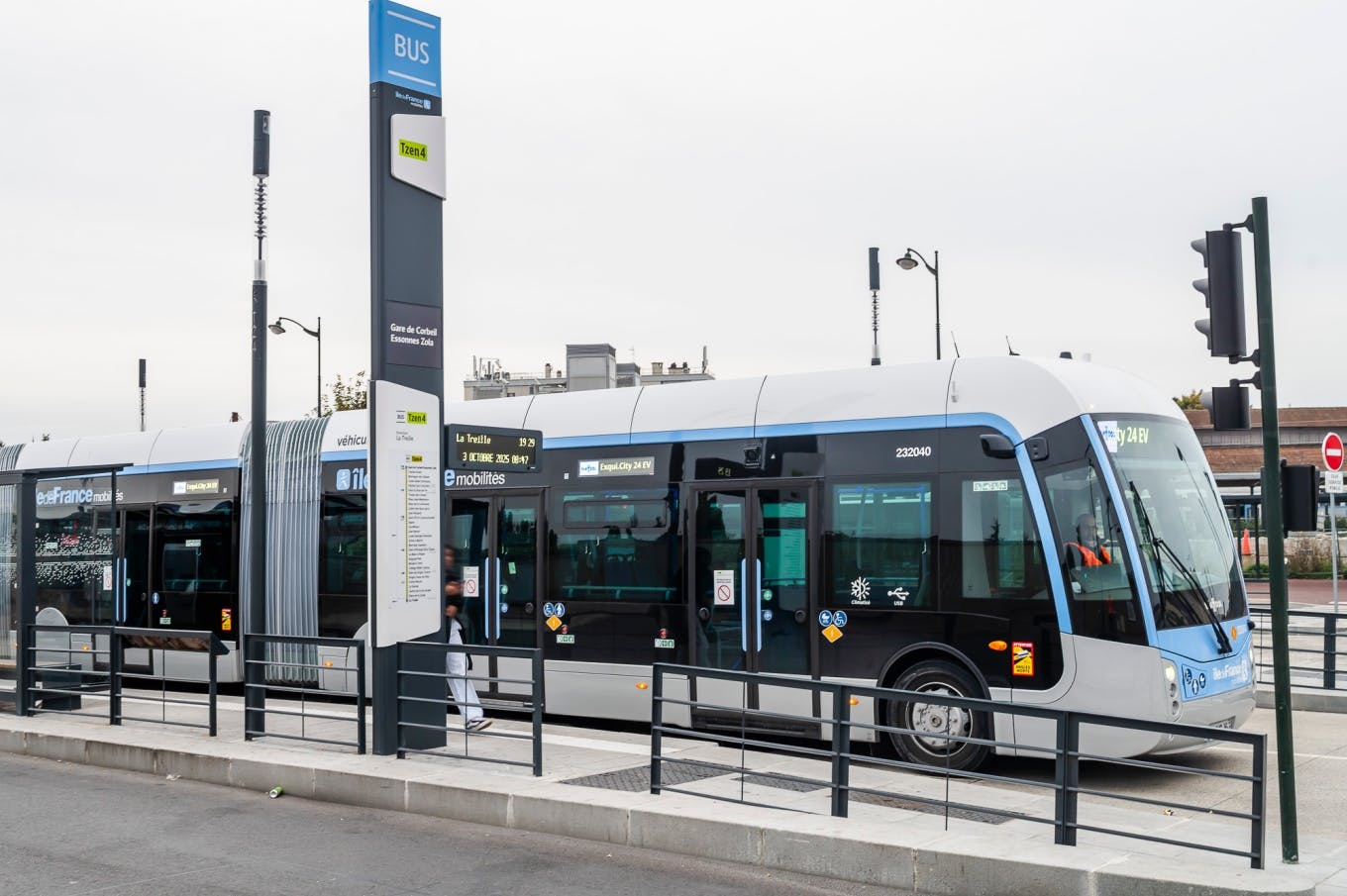
The Tzen 4 line is not just a new bus line : it is part of a much larger urban redevelopment project.
In the municipalities crossed, the public spaces have been redesigned with new squares, green spaces and cycle paths.
The route of the line serves neighbourhoods undergoing transformation, essential services and shops and connects employment areas to homes to facilitate the daily life of the inhabitants.
An investment of nearly €123 million has been mobilised to build this new infrastructure, financed by the Île-de-France Region, the Department of Essonne, the State and the European Union.