
New lineCréteil > Villeneuve-Saint-Georges


Ecological compensation
It consists of counterbalancing the effects on biodiversity. In this case, more than 6 hectares, spread over 3 sites and located in Essonne and Val-de-Marne, will be developed to accommodate animal and plant species in search of natural habitats.
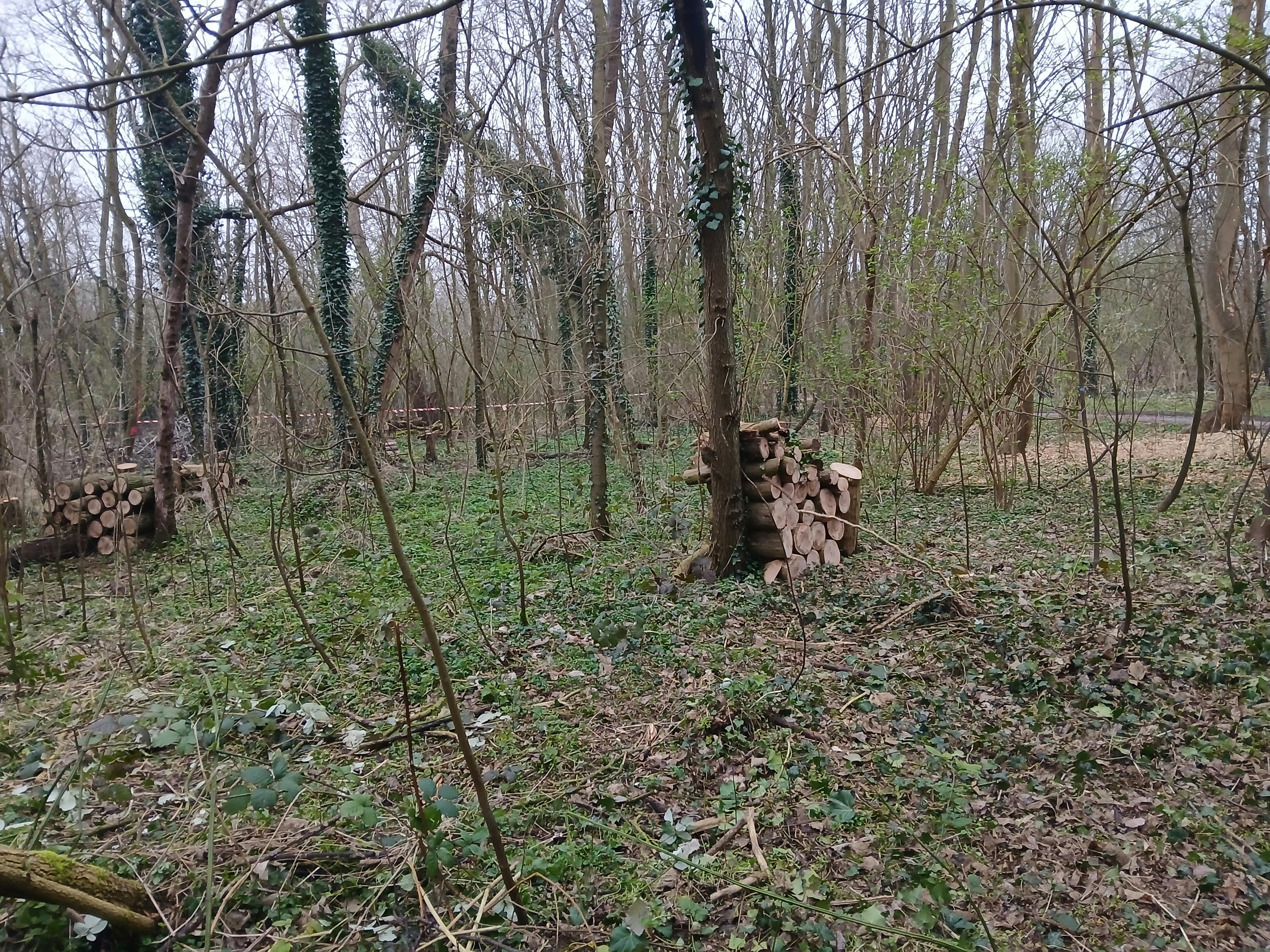
In Port aux Cerises, in two sectors: in the northern sector, in Port Courcel, located in Vigneux-sur-Seine in Essonne, 4 km from the C1 Cable and in the southern sector, Les Mousseaux, located in Draveil in Essonne, 6 km from the C1 Cable.
Type of work: diversification of afforestation, restoration of forest edges, creation of clearings.
Total surface area concerned: 2.5 ha in Port Courcel and 0.2 ha in Port aux Cerises / Les Mousseaux.
Replanted species: Pedunculate Oak, Aspen Poplar, Field Elm, Hornbeam, Cherry, Small-leaved Linden, Torminal Alisier, Field Maple, Hazel, Black Elderberry, Marsh Willow, Hawthorn, Blood Dogwood, European Privet.
Glades are privileged places for insects to live and reproduce. They offer favourable conditions for maintaining egg-laying during the winter period and are sufficiently exposed to light to rise rapidly in temperature, which is appreciated by insects. In doing so, the clearings provide a preferential feeding area for birds.
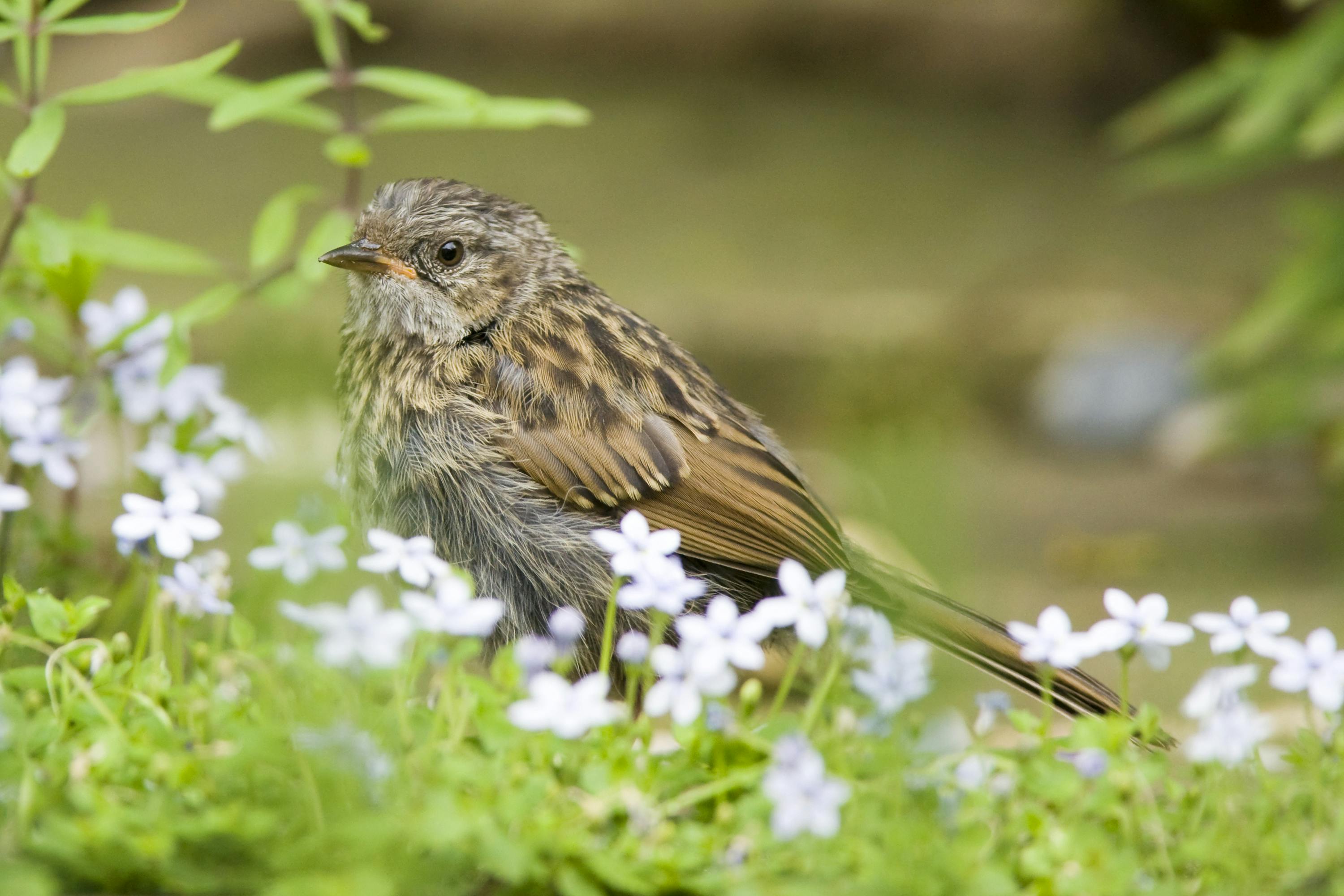
Pipistrelle common
The forest edges, due to the layering of strata (the smallest outwards to the largest interiors), can constitute suitable habitats for birds as well as privileged circulation corridors. They also help to combat the effects of wind, drought and cold, creating a semi-waterproof barrier.
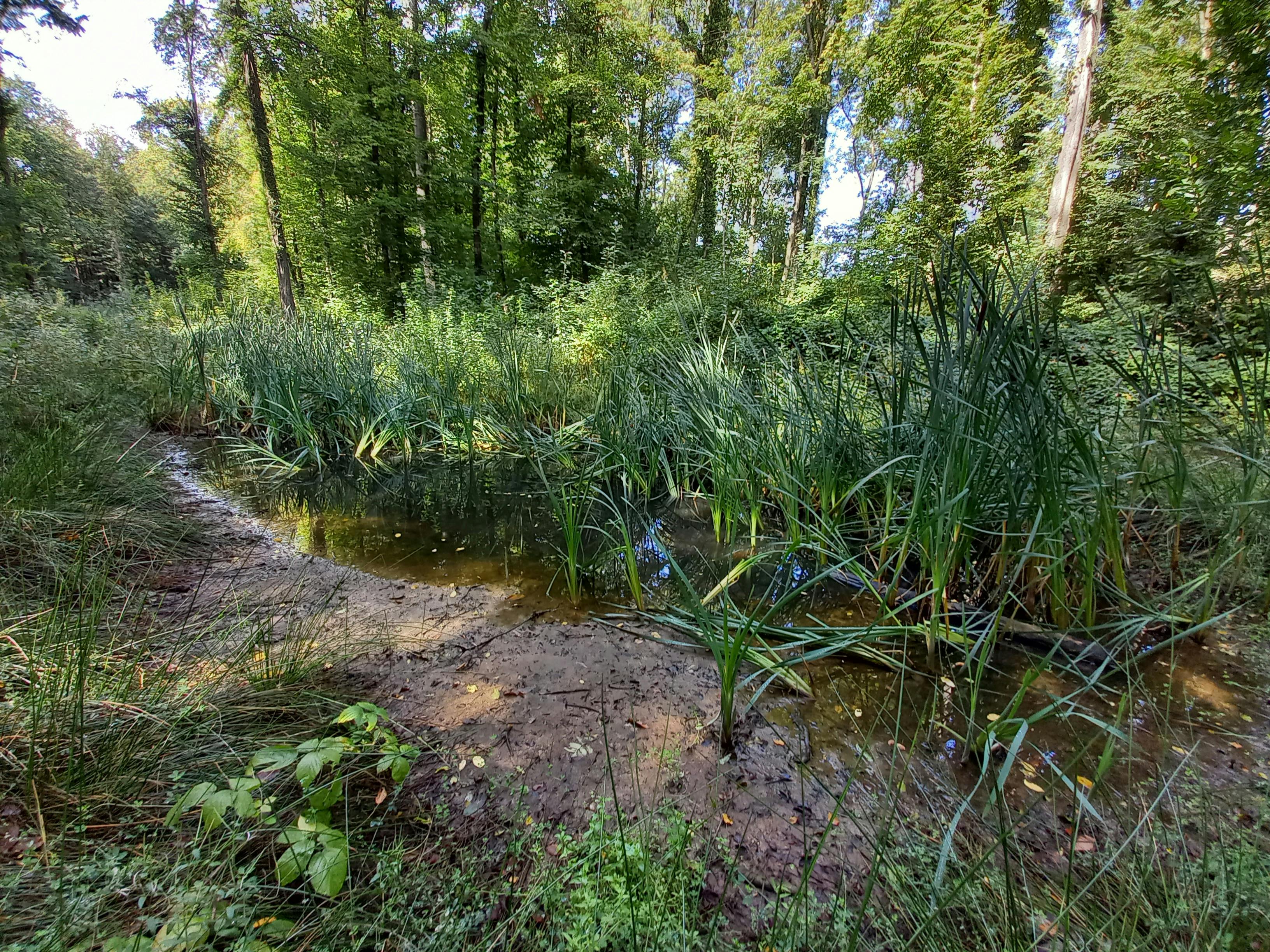
Omersson Estate
On the Domaine D'Ormesson located in Ormesson, 6 km from Cable C1
Type of work: planting of trees along the watercourses (riparian forest), creation of wet meadows (Mégaphorbiaies), creation of hibernacula for hedgehogs, roosts for lizards and habitats for other types of animals, selection of trees to be left to age, creation of a bat shelter in an old ice house, planting of diversification species, connection of the watercourse (Le Morbras) for the creation of an area promoting biodiversity linked to the Wetlands.
Total surface area concerned: 4 ha.
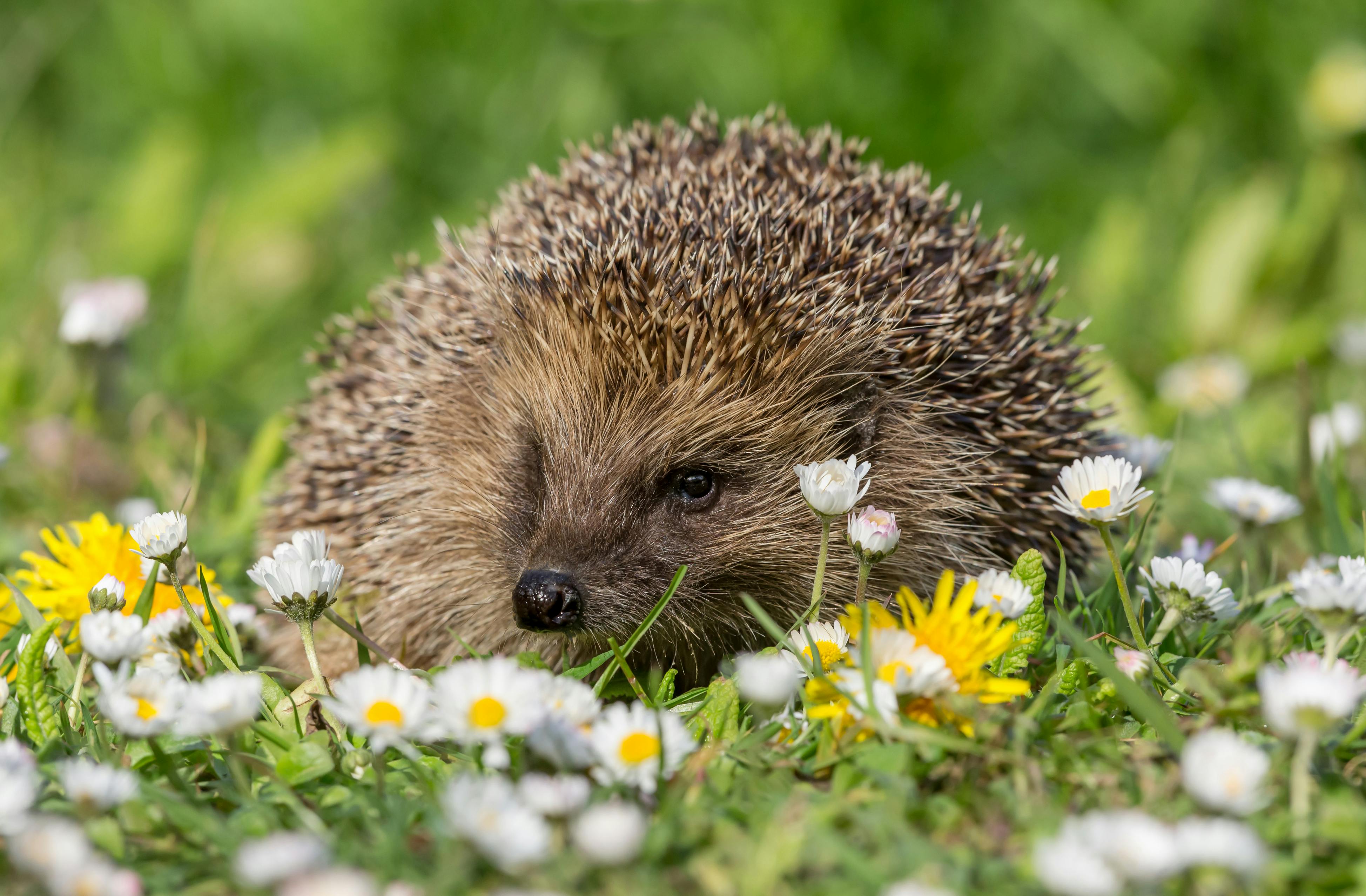
European hedgehog
A megaphorbia forest is a temperate zone made up of a dense meadow of reeds and tall perennial herbaceous plants (1.5 to 2 metres high or even 3 metres for some reeds), located in an alluvial zone on cool, non-acidic soil. It can be periodically but briefly flooded.
These areas are characterised by particular plant communities (known as megaphorbia forests), with often dense, heterogeneous and very diverse vegetation and the significant presence of fauna.